
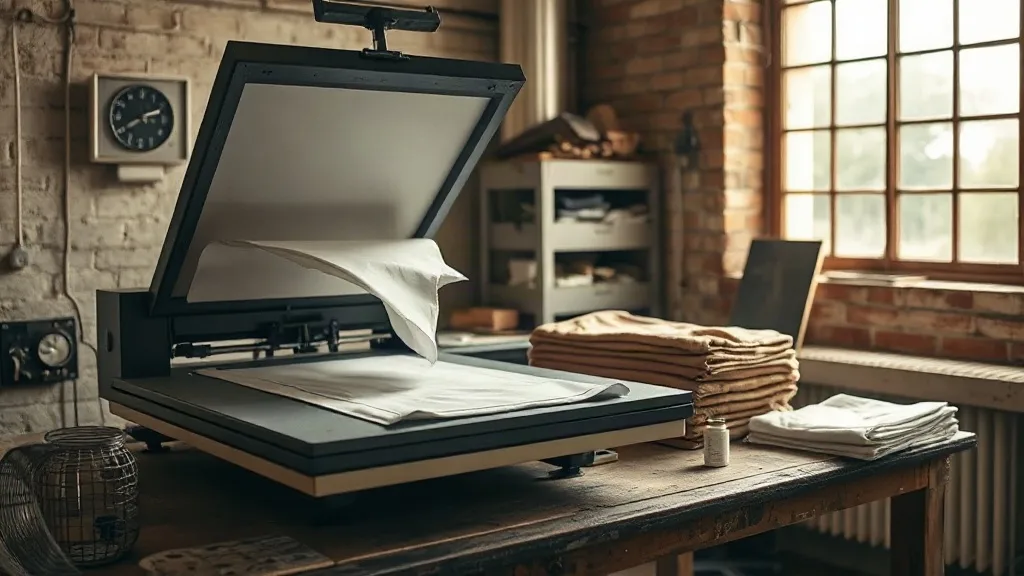
Walk into any small print shop and you will hear the same complaint: customers want a dozen shirts in six colors with a photo on the chest, and they want them by Friday. Screen printing punishes that order with setup fees. Vinyl punishes it with weeding time. This is the gap dtf transfers filled, and it is why so many one and two person operations have quietly added a printer next to their heat press. The method is not magic, though, and shops that treat it like a copy machine tend to lose money on the second order. Here is what actually matters.
What a DTF transfer actually is
DTF stands for direct to film. Instead of printing onto the garment, a printer lays water based pigment ink onto a coated PET film, prints a white ink layer behind it, and then dusts the wet white with a hot melt adhesive powder. The sheet goes through a curing oven or a heat press to melt that powder into a flexible glue layer. What you hold afterward is a thin, slightly tacky plastic sheet carrying your design, and it keeps for months in a dry drawer.
To apply it, you press the film face down onto fabric, peel the carrier, and give it a short second press with a cover sheet so the adhesive bonds into the weave. The whole thing takes under a minute per shirt on a decent press. Compare that to burning a screen for each color and the appeal becomes obvious.
The reason the dtf method travels so well is the powder layer. It bonds to cotton, polyester, blends, canvas, and even nylon with the right film, which is something plastisol transfers and vinyl cannot claim. If a customer brings in a 50/50 hoodie in a color you do not stock, you can still take the job.
Where DTF fits and where it does not
Most shops that struggle with DTF are using it for the wrong jobs. It is a great fit for short runs, sample packs, one-offs, names and numbers, and anything with gradients, photographic detail, or dozens of colors. It is a poor fit for high volume orders where screen printing wins on unit cost, and it is a poor fit for garments that will face industrial washing.
Fabric types that behave well
- 100 percent cotton tees and fleece, the easiest and most forgiving surface
- Cotton and polyester blends, which hold the adhesive layer without much fuss
- 100 percent polyester, though you need low temperature film and careful pressing to avoid dye migration
- Canvas totes and aprons, which handle the heavier feel of a full white layer well
Cases that need caution
Down jackets, waterproof shells, and anything with a durable water repellent coating will reject the adhesive unless you pre treat or use a specialty film. Stretch fabrics need a stretch rated powder, or the print will crack at the seams after a few wears. And very dark polyester is the classic trap: the garment dye sublimates into the white ink during pressing and turns your crisp white background slightly pink. A low bleed white ink and a cooler press solve most of it.
The four variables that decide quality
Every failed transfer I have seen traces back to one of four settings. Get these dialed in once per fabric type and write them on a card taped to the press.
- Pressure. Too light and the adhesive never reaches the fibers. Too heavy and the image spreads and looks blurry at the edges.
- Temperature. Cotton usually wants around 150 to 160 degrees Celsius. Polyester wants less, often 130 to 140, to keep the dye from gassing off.
- Time. Ten to fifteen seconds for the main press, then a shorter second press after peeling. Rushing the second press is the most common cause of prints lifting at the corners.
- Peel temperature. Cold peel films must cool completely before you pull the carrier. Peel them hot and the edges stretch and curl.
Keep a scrap of every fabric you stock and run a test print before a real order. Five minutes of testing saves a ruined hoodie and an awkward phone call.
Powder, film, and ink: what to buy
The consumables market is crowded and prices vary wildly, so it helps to know what separates a good roll of film from a cheap one. Coated film quality shows up in ink absorption and release. A poor coating leaves ink sitting on the surface, which means the powder sticks unevenly and the edges of the transfer look grainy.
Powder comes in fine and coarse grades. Fine powder gives smoother detail and is the right choice for small text and halftones. Coarse powder gives a stronger bond on rough fabrics like canvas but feels thicker on the hand. Most shops keep both and switch by job.
Ink matters more than people expect. Cheap pigment inks clog the white channel, and white is the layer that carries the whole print. If your white prints start looking weak or banded, the printhead is usually the culprit, not the film. A daily nozzle check and a weekly cleaning cycle keep a small shop running without a technician visit.
Pricing a DTF job without losing money
The trap with this method is treating the transfer as the only cost. It is not. You pay for film, ink, powder, electricity, press time, and your own labor, and the labor is where shops underestimate. Handing a sheet to a customer is fast. Weeding, trimming, and pressing twenty shirts is not.
A workable approach is to price per square inch of film used, then add a press fee per garment. That way a small left chest logo stays cheap and a full back print pays what it should. Many shops land somewhere between three and six dollars for a standard A4 sized transfer applied to a shirt, depending on local competition, and that range roughly covers consumables plus a fair share of press time.
For customers hunting for dtf transfers near me, the deciding factor is usually turnaround, not price. A shop that can turn a five shirt order around the same day will beat a cheaper competitor two towns over almost every time. Say your turnaround clearly on your website and in your quote, and hold to it.
Common mistakes that cost real money
After enough jobs, a few patterns emerge. Pressing a cold peel film and peeling it warm stretches the design and leaves a wavy edge. Stacking freshly pressed garments before they cool causes the adhesive to bond to the shirt above it. Skipping the cover sheet on the second press lets the adhesive stick to the upper platen instead of the fabric, and that transfer is gone.
Storage is another quiet killer. Film stored in a humid room absorbs moisture, and moisture turns to steam under the press, which shows up as bubbles and dull spots. Keep unused sheets in a sealed bag with a desiccant pack. It sounds fussy until you lose a fifty sheet run to a damp back room.
And wash instructions matter more than most shops admit. Tell customers to turn the garment inside out, wash cold, and skip the dryer on high heat. Prints that fail after six weeks are usually the ones that went through a hot dryer cycle, and the customer will blame the print, not the laundry.
Frequently asked questions
How long does a DTF print last on a cotton t-shirt?
With correct pressing and normal care, most prints hold up through fifty or more home wash cycles. The adhesive layer is the weak point, so cold washing inside out and air drying will extend life considerably. Prints on 100 percent polyester tend to last slightly less because the smooth surface gives the adhesive less to grip.
Can I apply DTF transfers with a home iron?
You can, but results are inconsistent. A home iron does not deliver even pressure across the sheet, so edges lift and the center may not bond. If you only need a one-off for yourself, press hard with steady circular motion for a full minute, let it cool, peel, then press again through a thin cloth. For anything you sell, use a real heat press.
Do I need a special printer to make DTF transfers?
Yes. You need a printer with a white ink channel and a film feed path, plus a powder shaker and a curing oven or a press used for curing. Converting a standard CMYK printer does not work because the white layer is what makes the print opaque on dark fabric. Many small shops start by ordering ready made transfers and only buy equipment once volume justifies it.
Is DTF cheaper than screen printing?
For small runs, almost always yes, because there is no screen setup cost per color. For large runs of a simple one or two color design, screen printing wins on unit price once you pass a few dozen pieces. The crossover point depends on your local screen charges, but most shops find DTF is the better choice under roughly two dozen garments and screen printing above that.
Why is my white layer coming out patchy?
Patchy white usually means a clogged or partially clogged white printhead, old ink, or film with a poor coating. Run a nozzle check first. If the pattern looks clean, try a fresh roll of film before assuming the printer is at fault. Humidity in the studio can also cause the powder to clump and leave thin spots in the adhesive.