
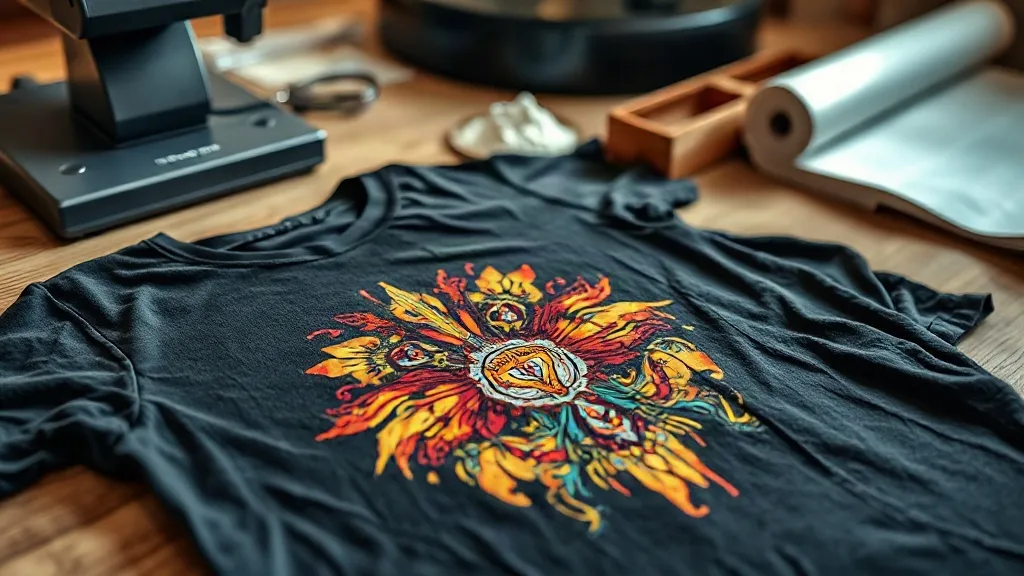
If you've been exploring custom apparel printing, you've likely encountered dtf transfers. This innovative technology is transforming the way designers and hobbyists approach fabric printing, offering a blend of versatility and durability that traditional methods struggle to match. Whether you're a small business owner looking to expand your product range or a DIY enthusiast eager to try something new, understanding DTF can open up a world of creative possibilities.
What Are DTF Transfers?
DTF, or Direct to Film, is a printing method where your design is printed onto a special film and then transferred to fabric using heat and pressure. Unlike DTG (Direct to Garment) printing, which requires specialized equipment and works best on cotton, DTF can adhere to a wide range of materials, including polyester, blends, and even dark fabrics. The process involves printing a mirror image of your design onto a PET film, applying a powder adhesive, and then pressing it onto the garment. The result is a vibrant, durable print that stretches with the fabric and withstands repeated washing.
Why Choose DTF Transfers?
There are several compelling reasons why dtf transfers have become a favorite among print shops and creators:
- Versatility: Works on cotton, polyester, blends, and even non-traditional materials like canvas and denim.
- Vibrancy: Produces bright, detailed prints with excellent color accuracy.
- Durability: Resists cracking, fading, and peeling even after multiple washes.
- No pre-treatment: Unlike DTG, DTF doesn't require pre-treating the fabric, saving time and resources.
- Cost-effective for small batches: Ideal for one-off designs or small runs without the need for screens or plates.
These advantages make DTF a go-to solution for personalized gifts, small business merchandise, and even large-scale production.
How DTF Transfers Work: Step by Step
Understanding the process can help you appreciate the technology and troubleshoot issues. Here's a breakdown of the DTF workflow:
- Design Preparation: Create your artwork and ensure it's mirrored (flipped horizontally) before printing. This is crucial because the film will be pressed face-down onto the fabric.
- Printing: Using a DTF printer, the design is printed onto a PET film with special DTF inks. The printer lays down a layer of white ink first (for opacity) followed by CMYK colors.
- Powder Application: While the ink is still wet, a hot-melt adhesive powder is applied to the printed area. The excess powder is shaken off, and the film is heated to melt the powder, creating a tacky surface.
- Curing: The film is then cured to set the ink and powder. This step ensures the transfer is durable and ready for pressing.
- Heat Pressing: The cured film is placed on the fabric and pressed with a heat press at a specific temperature and pressure for a set time. Once cooled, the film is peeled away, leaving the design bonded to the fabric.
Each step requires attention to detail, but with practice, the process becomes second nature.
DTF vs. Other Printing Methods
How does DTF stack up against other popular printing techniques? Let's compare:
- DTF vs. DTG: DTG is excellent for cotton but struggles with polyester and dark colors. DTF handles both with ease and doesn't require pre-treatment, making it more versatile.
- DTF vs. Screen Printing: Screen printing is cost-effective for large orders but requires setup for each color. DTF is more economical for small batches and complex designs with many colors.
- DTF vs. Vinyl: Vinyl is great for simple shapes but can't handle intricate details or gradients. DTF excels at photographic and detailed designs.
- DTF vs. Sublimation: Sublimation only works on light-colored polyester and requires special coatings. DTF works on almost any fabric and color.
While no method is one-size-fits-all, DTF's flexibility makes it a strong contender for a wide range of projects.
Applications of DTF Transfers
The versatility of DTF opens up numerous applications:
- Custom Apparel: T-shirts, hoodies, jackets, and more with vibrant, full-color designs.
- Sportswear: Team jerseys and athletic wear that require stretchable, durable prints.
- Promotional Items: Tote bags, hats, and uniforms for businesses and events.
- Home Decor: Personalized pillows, curtains, and fabric art.
- Accessories: Backpacks, shoes, and even leather goods (with proper adhesion).
If you're looking for dtf transfers near me, many local print shops now offer this service, making it accessible for small businesses and individuals.
Getting Started with DTF: Tips for Success
Ready to dive into DTF? Keep these tips in mind:
- Choose the Right Film: Not all DTF films are created equal. Invest in quality film that releases cleanly and prevents ink bleeding.
- Master the Powder: Apply adhesive powder evenly and shake off excess thoroughly to avoid a messy texture.
- Calibrate Your Heat Press: Temperature, pressure, and time are critical. Always test with a scrap fabric before pressing your final piece.
- Store Transfers Properly: Keep unused transfers in a cool, dry place to prevent the adhesive from losing its tackiness.
- Practice Peeling: Wait for the transfer to cool completely before peeling for a matte finish, or peel while hot for a glossy look.
These small details can make a big difference in the quality of your finished product.
Common Mistakes to Avoid
Even experienced printers can run into issues. Here are some pitfalls to watch out for:
- Insufficient Pressure: If the design doesn't adhere properly, check your press pressure. It should be firm but not excessive.
- Overcooking the Film: Leaving the film under heat too long can cause the adhesive to burn, leading to a stiff or discolored print.
- Ignoring Fabric Type: While DTF works on many fabrics, some (like nylon) may require lower temperatures to avoid melting.
- Rushing the Peel: Peeling too early or too late can affect the finish. Follow the film manufacturer's instructions.
- Poor Ink Coverage: Ensure your printer is properly maintained and using high-quality DTF inks to avoid faint or patchy prints.
By being mindful of these common errors, you'll save time and materials.
Finding DTF Services and Supplies
As DTF grows in popularity, so does the availability of services and supplies. For those who prefer to outsource, many print-on-demand companies now offer DTF transfer services. If you're searching for dtf transfers near me, check local print shops or online directories. For DIY enthusiasts, DTF printers and supplies are available from specialized vendors. When choosing a supplier, look for quality reviews and ensure they provide consistent products.
Frequently Asked Questions
What fabrics work best with DTF transfers?
DTF transfers adhere well to cotton, polyester, blends, and many synthetic fabrics. They also work on leather and canvas, but always test on a small area first.
How long do DTF transfers last?
With proper application and care, DTF prints can last as long as the garment itself. They resist cracking and fading even after 50+ washes.
Can I use DTF transfers on dark shirts?
Absolutely! DTF uses a white ink base, so colors pop on both light and dark fabrics without the need for a separate white underbase.
Do I need a special printer for DTF?
Yes, DTF requires a printer that uses DTF inks and can handle PET film. However, if you're not ready to invest, many services offer transfer printing.
Is DTF environmentally friendly?
DTF is relatively eco-friendly compared to some methods, as it uses water-based inks and produces minimal waste. However, the film and powder do have an environmental impact, so recycling programs are emerging.
Whether you're a seasoned pro or just starting, DTF transfers offer a reliable and creative way to bring your designs to life. With its versatility and growing accessibility, it's no wonder this technology is making waves in the printing industry.