
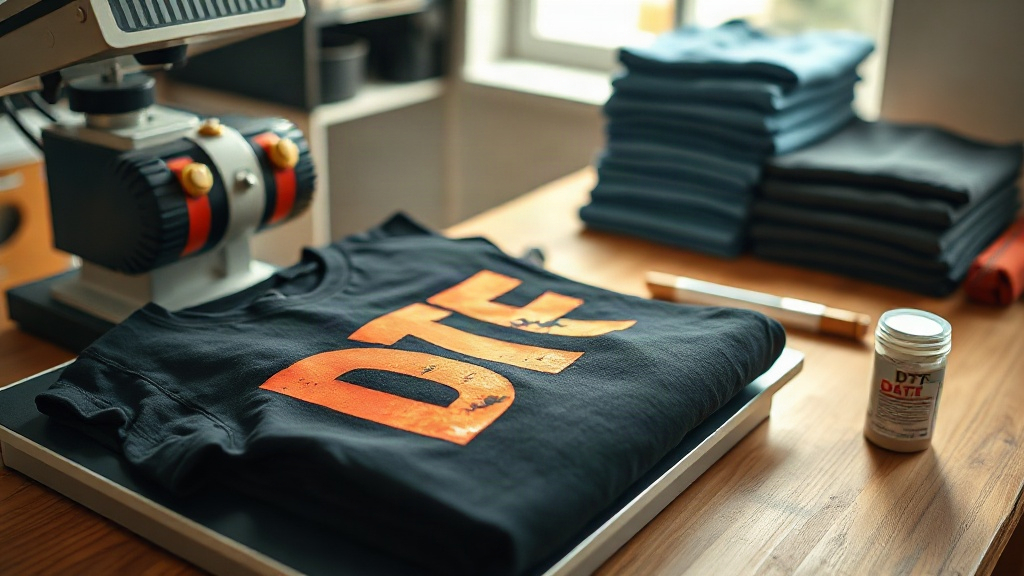
If you have ever tried to print a detailed, multicolor design on a dark shirt, you know the struggle: screen printing gets expensive fast, and vinyl is a nightmare for fine details. That is exactly why DTF transfers have taken over the custom apparel world. These digital transfers let you press intricate artwork onto almost any fabric, and when you pair them with quality blanks like Shaka Wear and Smart Blanks, the results look professional and last wash after wash. I have spent the last three years running a small print shop, and I have tested dozens of combinations. In this guide, I will share what actually works, what to avoid, and how to get the most out of your DTF setup.
What Are DTF Transfers and Why They Matter
DTF stands for direct-to-film. A printer lays down a layer of white ink, followed by CMYK colors, onto a special PET film. Then you sprinkle a hot-melt adhesive powder over the wet ink, shake off the excess, and cure it. The result is a flexible, stretchy transfer that you can store for months and press onto a garment whenever you need it. Unlike DTG, which requires pretreating and works best on 100% cotton, DTF adheres to cotton, polyester, blends, and even nylon. That versatility is a game-changer for small shops that cannot stock every fabric type.
The real magic happens when you combine DTF with the right blank. Not all shirts handle heat and pressure the same way. A cheap, thin tee might scorch or warp, while a heavyweight ring-spun cotton takes the press like a champ. That is why I always reach for Shaka Wear and Smart Blanks when I need reliable results.
Why Shaka Wear and Smart Blanks Are My Go-To Choices
Shaka Wear: Heavyweight and Streetwear-Ready
Shaka Wear has built a reputation for thick, boxy tees that hold their shape. Their 7.5 oz cotton shirts are a favorite among streetwear brands because they do not shrink much and they provide a smooth, tight surface for DTF transfers. The dense weave means the transfer sits on top rather than sinking into the fabric, so colors stay bright. I have pressed hundreds of designs onto Shaka Wear tees, and the adhesion is consistently excellent. One thing to note: because the fabric is heavy, you need to pre-press for a few seconds to remove moisture. If you skip that step, you might see steam bubbles under the transfer.
Smart Blanks: Soft, Consistent, and Budget-Friendly
Smart Blanks offers a lighter, softer feel that works well for retail and promotional wear. Their cotton-poly blends are popular for corporate events because they resist wrinkles and feel smooth against the skin. When you apply DTF transfers to Smart Blanks, the slightly poly content means you should lower your press temperature a bit. I usually go with 300°F instead of 325°F to avoid any sheen or discoloration. The payoff is a soft-hand transfer that stretches with the garment without cracking.
How to Apply DTF Transfers to Shaka Wear and Smart Blanks
Getting a perfect press is not complicated, but small details matter. Here is the exact process I use in my shop:
- Preheat the garment: Press for 5-7 seconds at 325°F to remove moisture and flatten the fibers. This step is critical for both Shaka Wear and Smart Blanks.
- Position the transfer: Place the DTF film with the printed side facing up. If your design has fine text, use a piece of heat tape to hold it in place.
- Press with medium-heavy pressure: For Shaka Wear, use 325°F for 15 seconds. For Smart Blanks, drop to 300°F for 12-15 seconds. Too much heat on poly blends can cause the transfer to look glossy.
- Peel while hot or cold? DTF transfers are usually cold peel. Wait 10-15 seconds until the film is warm but not hot, then peel in one smooth motion. If you peel too early, the adhesive might string; too late, and it can lift the edges.
- Post-press for durability: Cover the design with a Teflon sheet or parchment paper and press again for 5-10 seconds. This step locks the adhesive into the fabric and boosts wash resistance.
After pressing, let the garment cool completely before folding. I also recommend washing inside out in cold water and avoiding fabric softener, which can break down the adhesive over time.
Design Tips for DTF Transfers on These Blanks
Not all artwork translates well to DTF. Here is what I have learned from trial and error:
- Keep fine lines at least 1pt thick. Thinner lines may not hold enough adhesive and can peel after a few washes.
- Avoid large, solid blocks of dark ink on light garments. The white underbase can make the design feel stiff. If you must, use a halftone pattern to break it up.
- Use a color profile that matches your printer. I use a RIP software with an ICC profile for my DTF printer. Without it, colors can look muddy, especially on Shaka Wear's natural and heather tones.
- Test on scrap fabric first. Every batch of blanks can vary slightly. Press a small sample to dial in your temperature and pressure before running a full order.
Common Mistakes and How to Avoid Them
Even experienced printers run into issues. Here are the top problems I see and their fixes:
- Transfer peeling after washing: Usually caused by insufficient pressure or skipping the post-press. Increase pressure and always do the final press.
- Dull or faded colors: Often a sign of under-curing the powder. Make sure your powder melts completely into the ink. It should look glossy, not gritty.
- Scorching on Smart Blanks: Polyester blends are sensitive. Use a lower temperature and a Teflon sheet. If you see a shiny mark, you have scorched the fabric.
- Film sticking to the press: This happens when the transfer is too hot. Let it cool for a few seconds before peeling.
Frequently Asked Questions
Can I use DTF transfers on 100% polyester Shaka Wear shirts?
Yes, but you need to adjust your settings. Shaka Wear offers some poly styles, and for those I recommend 280°F for 10-12 seconds with light pressure. Always pre-press to remove moisture, and use a Teflon sheet to protect the fabric. The key is to avoid excessive heat, which can cause the polyester to shrink or the transfer to look glossy.
How durable are DTF transfers on Smart Blanks after repeated washing?
With proper application, DTF transfers on Smart Blanks can last 50+ washes without significant fading or peeling. The critical factors are adequate pressure, correct temperature, and the post-press step. I also advise washing inside out in cold water and tumble drying on low. Avoid bleach and fabric softener, as they can degrade the adhesive.
Do I need a special printer for DTF transfers, or can I outsource?
You can buy a dedicated DTF printer, but for small shops, outsourcing to a DTF transfer supplier is often more cost-effective. Many suppliers offer gang sheets where you can place multiple designs on one film. If you outsource, make sure the transfers are powder-coated and ready to press. I have had great results from suppliers who use quality inks and films.
What is the best way to store unused DTF transfers?
Keep them in a cool, dry place away from direct sunlight. I store mine in a zip-top bag or a plastic sleeve to prevent dust from sticking to the adhesive. Avoid folding them sharply, as creases can cause the powder to crack. Properly stored, DTF transfers remain usable for 6-12 months.
Can I layer DTF transfers on Shaka Wear for a multi-color effect?
Absolutely. Layering works well if you press each layer separately. Start with the bottom layer, press for 10 seconds, peel, then add the next layer. Use a Teflon sheet between layers to avoid sticking. Just be mindful of the total thickness; too many layers can make the design feel stiff, especially on lighter Smart Blanks.
Final Thoughts
Combining DTF transfers with Shaka Wear and Smart Blanks gives you a powerful toolkit for custom apparel. The transfers handle complex artwork with ease, while these blanks provide the comfort and durability your customers expect. Remember to pre-press, use the right temperature for each fabric, and always post-press for longevity. With a bit of practice, you will be producing retail-quality shirts in no time. If you are new to DTF, start with a few sample shirts from each brand and dial in your settings. Your future self (and your customers) will thank you.