
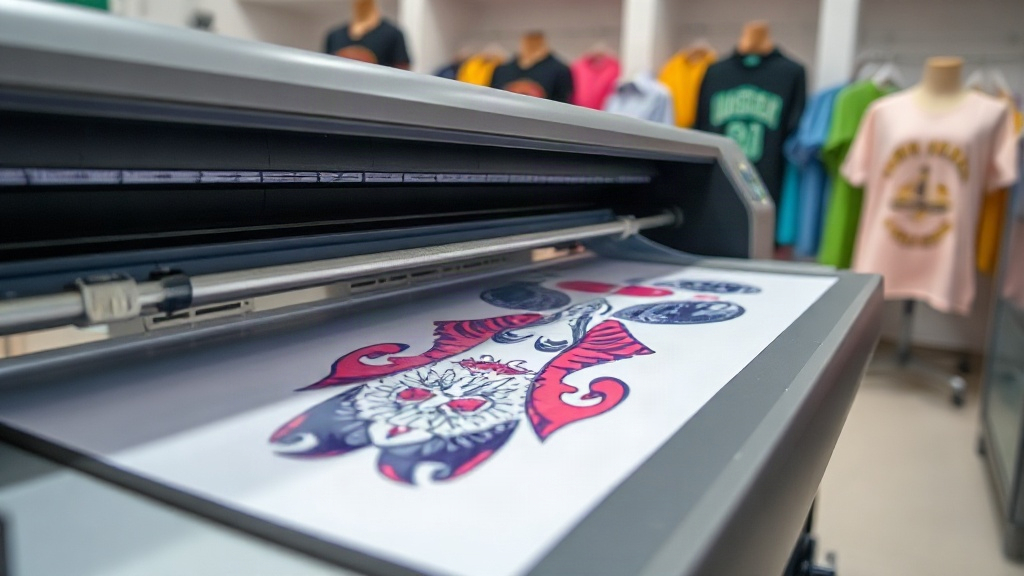
If you've been exploring custom apparel, you've likely encountered DTF printing. Short for Direct-to-Film, this technology has rapidly become a favorite among crafters, small business owners, and even large-scale manufacturers. But what exactly makes DTF printing so special? In this guide, we'll dive deep into the world of DTF, covering its process, benefits, and how you can leverage it for your projects.
What is DTF Printing?
DTF printing is a digital printing method where designs are printed onto a special film, coated with adhesive powder, and then heat-pressed onto fabric. Unlike DTG (Direct-to-Garment) or screen printing, DTF doesn't require pre-treatment of the garment, and it works on a wide range of materials, including cotton, polyester, and blends. The process involves creating a mirror-image print on a PET film using specialized inks, applying a thermoplastic powder while the ink is still wet, curing the powder, and finally transferring the design to the fabric with a heat press.
How Does DTF Printing Work? Step by Step
Understanding the DTF process can help you appreciate its versatility and troubleshoot issues. Here's a breakdown of the steps:
- Design Preparation: Create your artwork in a graphics program, ensuring it's mirrored (flipped horizontally) before printing.
- Printing: Use a DTF printer with specialized pigment inks to print the design onto a PET film. White ink is typically used as a base to make colors pop on dark fabrics.
- Powder Application: While the ink is still wet, sprinkle thermoplastic powder over the film. Shake off the excess.
- Curing: Place the film in a curing oven or under a heat source to melt the powder, creating a flexible, adhesive layer.
- Transfer: Position the film on the fabric and apply heat and pressure with a heat press. The adhesive melts, bonding the design to the fabric.
- Peeling: After cooling, peel off the film. The design remains permanently on the fabric.
Why Choose DTF Printing? Key Advantages
DTF printing offers several compelling benefits that set it apart from other decoration methods:
- Versatility: Works on nearly any fabric, including cotton, polyester, nylon, and even leather.
- No Pre-Treatment: Saves time and eliminates the need for additional chemicals.
- Vibrant Colors: Produces bright, detailed prints with excellent wash durability.
- Cost-Effective for Short Runs: Ideal for small batches and one-off designs, as there are no setup fees like screen printing.
- Stretchability: The prints stretch with the fabric, making them suitable for activewear.
DTF vs. Other Printing Methods
How does DTF stack up against DTG, screen printing, and vinyl? Let's compare:
- DTG: Best for 100% cotton, requires pre-treatment, and can be expensive for small runs. DTF works on more fabrics and has lower startup costs.
- Screen Printing: Cost-effective for large orders but requires setup and is limited in color complexity. DTF excels in detailed, multi-color designs without setup fees.
- Heat Transfer Vinyl (HTV): Good for simple designs but limited in color gradients and fine details. DTF can handle complex artwork with ease.
Getting Started with DTF Printing: Tips for Success
If you're ready to dive into DTF printing, here are some practical tips:
- Invest in Quality Equipment: A reliable DTF printer and heat press are crucial. Look for printers with good reviews and adequate warranty.
- Choose the Right Film: Not all PET films are created equal. Use films designed specifically for DTF to ensure proper ink adhesion and transfer.
- Master the Powdering Step: Apply powder evenly and shake off excess to avoid clumps that can ruin the print.
- Test Your Heat Press Settings: Temperature, pressure, and time can vary by fabric. Always test on a scrap piece first.
- Store Materials Properly: Keep film and powder in a cool, dry place to prevent moisture damage.
Common Challenges and How to Overcome Them
Even with the best equipment, you might encounter issues. Here are solutions to common DTF problems:
- Faded Prints: Usually caused by insufficient powder or under-curing. Increase powder amount and ensure proper curing.
- Cracking: Often due to too much pressure or stretching the film during transfer. Adjust heat press pressure and let the transfer cool before peeling.
- Poor Adhesion: May result from inadequate heat or pressure. Check your heat press settings and ensure the fabric is clean.
Frequently Asked Questions about DTF Printing
What fabrics can I use with DTF printing?
DTF printing works on a wide range of fabrics, including cotton, polyester, blends, nylon, and even leather. It's one of the most versatile printing methods available.
Do I need special ink for DTF printing?
Yes, DTF printing requires specialized pigment inks formulated for film transfer. These inks are different from those used in DTG or sublimation printing.
How durable is DTF printing?
When properly applied, DTF prints are highly durable. They can withstand multiple washes without fading, cracking, or peeling, making them ideal for everyday wear.
Can I use DTF printing on dark garments?
Absolutely! DTF printing uses a white ink base that allows vibrant colors to show up on dark fabrics, unlike some other methods that require a white underbase.
Is DTF printing cost-effective for small businesses?
Yes, DTF printing is very cost-effective for small businesses because it eliminates setup fees and minimum order requirements. You can print one-off designs without breaking the bank.
With its flexibility, durability, and ease of use, DTF printing is a game-changer for anyone in the custom apparel industry. Whether you're a hobbyist or a growing business, mastering DTF can open up endless creative possibilities. So why not give it a try and see the difference for yourself?