
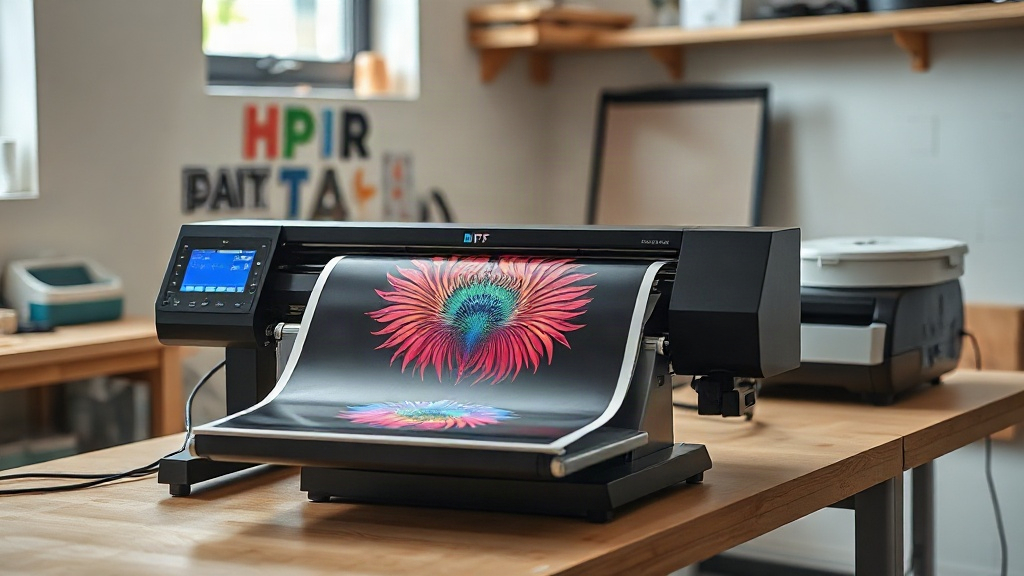
If you've been exploring custom apparel printing, you've likely encountered DTF printing. It's a game-changer for small businesses, hobbyists, and anyone wanting to bring vibrant designs to life on fabric. Unlike traditional methods that require specialized equipment or messy processes, DTF printing offers a straightforward, accessible way to produce professional-quality transfers right from your home or studio. In this guide, we'll walk through what DTF printing is, how it works, and why it might be the perfect solution for your next project.
What is DTF Printing?
DTF stands for Direct to Film. It's a printing technique where your design is printed onto a special film, coated with a adhesive powder, and then heat-pressed onto fabric. The result? A durable, stretchable, and incredibly detailed transfer that bonds permanently to the material. Whether you're working with cotton, polyester, or blends, DTF printing adapts beautifully, making it a versatile choice for everything from t-shirts to tote bags.
How Does DTF Printing Work?
The process might sound technical, but it's surprisingly simple once you break it down. Here's a step-by-step overview:
- Design Preparation: Create your artwork using graphic software. Remember to mirror the image if your design has text.
- Printing: Your design is printed onto a PET film using specialized DTF inks. These inks are vibrant and opaque, allowing for bright colors even on dark fabrics.
- Powdering: While the ink is still wet, a thermoplastic powder is applied evenly over the print. This powder will act as the adhesive when heat is applied.
- Curing: The film passes through a heat source (like a heat press or oven) to melt the powder, creating a smooth, dry surface.
- Transfer: Finally, the film is placed on your garment and pressed with a heat press. After cooling, you peel away the film, leaving your design permanently bonded to the fabric.
Why Choose DTF Printing?
There are several compelling reasons why DTF printing has become a favorite among crafters and professionals alike.
1. No Weeding Required
Unlike vinyl cutting, DTF printing eliminates the tedious process of weeding out tiny details. You simply print, powder, cure, and press. This saves hours of work, especially for intricate designs.
2. Works on Multiple Fabrics
One of the biggest advantages is its compatibility with a wide range of materials. Cotton, polyester, blends, even leather and canvas can be adorned with DTF transfers. This flexibility means you can offer diverse products without investing in multiple printing systems.
3. Vibrant, Durable Results
DTF prints are known for their bright colors and soft feel. The transfers stretch with the fabric, resist cracking, and withstand repeated washing when applied correctly. Your designs will look great wash after wash.
4. Cost-Effective for Small Runs
If you're producing one-off items or small batches, DTF printing is far more economical than screen printing, which requires setup costs per color. With DTF, you can print a single transfer or hundreds with the same ease.
Getting Started with DTF Printing
Ready to dive in? Here's what you'll need to begin your DTF printing journey.
Essential Equipment
- DTF Printer: A dedicated printer that uses DTF inks. Epson conversions are popular, but there are also purpose-built models.
- DTF Inks: Specially formulated inks that adhere to the film and powder.
- PET Film: The transfer medium. Available in rolls or sheets.
- Adhesive Powder: Thermoplastic powder that bonds the ink to fabric.
- Heat Press: For curing the powder and transferring the design.
- Design Software: Any graphic design tool like Photoshop, Illustrator, or free alternatives.
Step-by-Step Tutorial
Let's walk through the process from start to finish.
- Create Your Design: Design your artwork, ensuring it's mirrored. Print it onto the PET film using your DTF printer.
- Apply Powder: While the ink is wet, sprinkle the adhesive powder over the print. Shake off excess gently.
- Cure the Powder: Place the film in a heat press at around 320°F (160°C) for 2-3 minutes, or until the powder melts and becomes glossy.
- Prepare Your Garment: Preheat your heat press to 325°F (165°C) and pre-press the garment for a few seconds to remove moisture.
- Transfer: Place the film on the garment with the design facing up. Press for 15-20 seconds with medium pressure.
- Peel: Wait for the transfer to cool completely (cold peel) before slowly peeling off the film. Your design is now permanently affixed!
Tips for Success
- Test Your Settings: Every heat press and printer behaves differently. Always do a test run on scrap fabric to dial in time, temperature, and pressure.
- Store Materials Properly: Keep PET film and powder in a cool, dry place to prevent clumping or curling.
- Use Quality Blanks: The final look depends on the fabric. Choose garments with a smooth surface for best results.
- Practice Patience: Peeling too early can ruin a transfer. Cold peel is typically recommended for DTF.
Common Applications of DTF Printing
From personalizing gifts to launching a clothing line, DTF printing opens up a world of possibilities. Here are just a few ways people are using it:
- Custom t-shirts, hoodies, and activewear
- Promotional items like caps and bags
- Home decor such as pillow covers and aprons
- Pet apparel and accessories
Frequently Asked Questions
What fabrics can I use with DTF printing?
DTF transfers work on a wide range of fabrics, including cotton, polyester, nylon, leather, and blends. However, fabrics with a rough texture or heavy coatings may not yield optimal results. Always test on a small area first.
How long do DTF prints last?
When applied correctly, DTF prints can last as long as the garment itself. They are durable, stretchable, and resistant to cracking and fading. Proper washing (inside out, cold water, no bleach) will extend their life.
Do I need a special printer for DTF?
Yes, you need a printer that is compatible with DTF inks. Many people convert Epson printers, but there are also dedicated DTF printers available on the market. Using the wrong printer may damage it or produce poor results.
Can I use DTF on dark colors?
Absolutely! One of the advantages of DTF printing is that it uses a white ink base, which allows vibrant colors to show up on dark fabrics. You don't need to change your design; the white layer ensures opacity.
Is DTF printing cost-effective for small businesses?
Yes, DTF printing is very cost-effective for small runs and one-off items. There are no minimums, and you only use the materials you need. It's an excellent option for startups and side hustles.
Final Thoughts
DTF printing is transforming the custom apparel industry by making high-quality, durable transfers accessible to everyone. Whether you're a hobbyist looking to personalize gifts or an entrepreneur launching a brand, DTF offers a flexible, affordable, and creative solution. With the right equipment and a bit of practice, you'll be producing stunning designs in no time. So why not give it a try? Your next masterpiece is just a print away.