
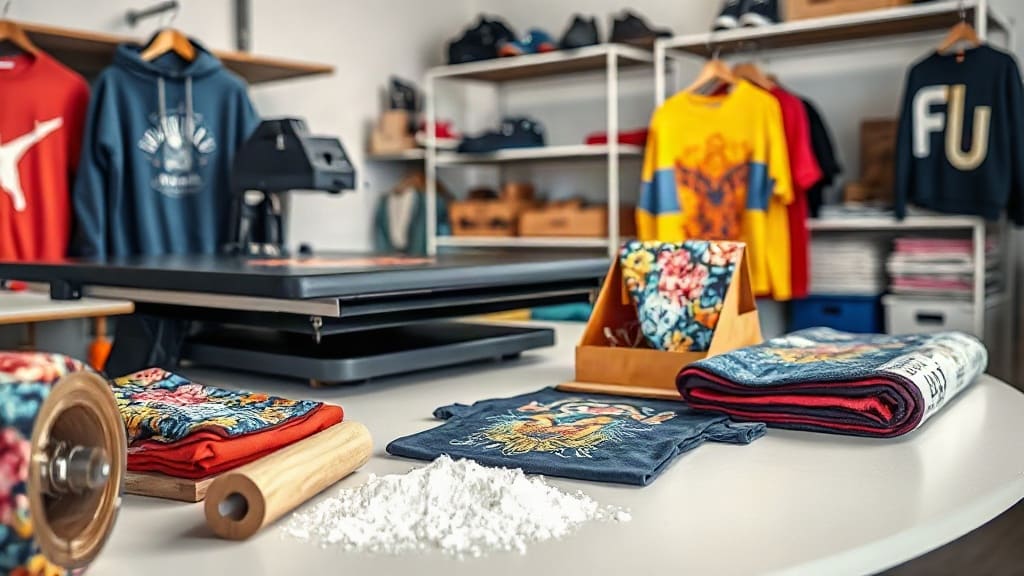
The custom apparel industry has seen a massive shift in recent years, and DTF (Direct to Film) printing is at the forefront of this revolution. If you've been searching for a way to create vibrant, durable prints on a wide range of fabrics without the hefty investment of traditional screen printing, you've likely stumbled upon this term. But what exactly makes DTF so special? Is it truly the future, or just a passing trend? In this article, we'll dive deep into the mechanics, benefits, and practical applications of DTF printing to help you understand why it's becoming the favorite choice for businesses and hobbyists alike.
What Is DTF Printing?
Before we jump into the why, let's briefly cover the what. DTF printing is a digital transfer method that involves printing your design onto a special PET film, applying a hot-melt adhesive powder, and then heat-pressing that film onto the fabric. The result is a vibrant, stretchy, and washable print that feels soft to the touch. Unlike traditional heat transfer vinyl (HTV), which requires weeding and is limited to solid colors, DTF allows you to print full-color, photorealistic images with no weeding required.
The process is relatively straightforward, but the quality and durability of the final product depend on the equipment, materials, and technique you use. From small home-based operations to large-scale production facilities, DTF has made custom apparel accessible to everyone.
Why DTF Is Gaining So Much Popularity
The rise of DTF printing can be attributed to several key factors that appeal to both businesses and consumers. Let's explore the most compelling reasons why this method is winning over the industry.
Versatility Across Fabrics
One of the biggest advantages of DTF is its ability to print on almost any fabric. Whether you're working with cotton, polyester, blends, nylon, or even leather, DTF transfers adhere beautifully. This is a game-changer for businesses that want to offer a wide range of products without investing in multiple printing technologies. For example, a shop can easily create custom t-shirts, hoodies, tote bags, and even caps using the same DTF setup.
No Weeding, No Hassle
If you've ever worked with vinyl, you know that weeding can be a tedious and time-consuming step. With DTF, there's no weeding required. The printer handles the entire design, and the powder coating process ensures that every tiny detail is preserved. This not only saves time but also reduces the skill barrier, making it possible for beginners to produce professional-looking results.
Soft, Flexible Prints
Consumers today demand comfort. They don't want stiff, plasticky prints that crack after a few washes. DTF prints are known for their soft hand feel and excellent stretchability. The adhesive powder fuses with the fabric fibers, allowing the print to move with the garment. This makes DTF ideal for activewear and everyday apparel.
High Detail and Color Vibrancy
Because DTF printing uses digital technology, it can reproduce intricate designs with thousands of colors. Gradients, shadows, and fine lines all come out sharp and vibrant. Whether you're printing a detailed logo or a full-color photograph, DTF delivers stunning results that rival screen printing, but with more flexibility.
DTF vs. Other Printing Methods
To truly appreciate DTF, it helps to compare it with other popular methods like screen printing, DTG (Direct to Garment), and sublimation. Each has its strengths, but DTF often comes out on top for small to medium runs.
DTF vs. Screen Printing
Screen printing requires a separate screen for each color, making it costly and slow for short runs or complex designs. DTF eliminates those setup costs and is perfect for single items or small batches. While screen printing still has an edge for massive quantities, DTF offers more flexibility and faster turnaround for custom orders.
DTF vs. DTG
DTG printing applies ink directly onto the garment, but it's limited to cotton-rich fabrics. DTF can be used on a wider range of materials, and the transfers can be pre-printed and stored for later use. This is a huge advantage for businesses that want to print on demand or sell transfer sheets to other decorators.
DTF vs. Sublimation
Sublimation works only on polyester and light-colored fabrics, and it requires special coatings. DTF works on dark and light fabrics alike, with no need for pre-treatment. This makes DTF a more versatile option for mixed product lines.
Practical Applications of DTF Printing
So, where does DTF shine in real-world scenarios? Let's look at some common uses that demonstrate its value.
Custom Apparel for Small Businesses
If you run a small apparel brand, DTF allows you to fulfill orders without holding large inventories. You can print transfers on demand and apply them as orders come in. This minimizes waste and reduces upfront costs, making it easier to test new designs and respond to market trends.
Personalized Gifts and Promotional Items
From personalized baby onesies to branded corporate gifts, DTF makes it easy to add a personal touch. You can print names, photos, or special messages with minimal effort. Because you can print on a variety of items like bags, hats, and even mousepads, the possibilities are endless.
Small Batch Production
Many businesses used to shy away from small batch orders because they were not cost-effective. DTF changes that. You can produce as few as one or two items profitably, which is perfect for limited edition drops or custom requests.
Getting Started with DTF Printing
If you're convinced that DTF is worth exploring, here are some practical tips to get started without overwhelming yourself.
Invest in the Right Equipment
You'll need a DTF printer, heat press, and some consumables like PET film, adhesive powder, and ink. While there are all-in-one systems available, you can also retrofit an existing eco-solvent or resin printer. Do your research to find equipment that fits your budget and production needs. Many beginners start with a small setup and scale up as demand grows.
Choose Quality Materials
The quality of your film and powder will directly affect the durability and appearance of your prints. It's worth investing in reputable brands that offer consistent results. Cheaper materials might save money upfront, but they can lead to cracked prints and unhappy customers, which is far more costly in the long run.
Master the Heat Press Settings
Proper heat, pressure, and time are crucial for a successful transfer. Different fabrics require different settings, so always test on scraps first. A common starting point is around 160°C (320°F) for 15 to 20 seconds at medium pressure, but you'll need to adjust based on your specific setup and fabric type.
Practice and Refine
Like any craft, DTF printing improves with practice. Start with simple designs to understand how your equipment behaves. Keep notes on what works and what doesn't. Over time, you'll develop a workflow that yields consistent, high-quality results.
Frequently Asked Questions
How Many Washes Can a DTF Transfer Withstand?
When applied correctly, a DTF transfer can withstand 50 or more washes without significant fading or cracking. The key is to use high-quality materials and follow the recommended care instructions, such as washing inside out in cold water and avoiding bleach. Many users report excellent longevity, making DTF a reliable choice for everyday apparel.
Can DTF Printing Be Done on Dark Fabrics?
Yes, one of the major advantages of DTF is its ability to print on dark fabrics. Unlike DTG, which often requires a white underbase, DTF prints can include a white layer automatically. This ensures that your colors remain vivid and opaque, even on black or navy garments.
Do I Need a Special Printer for DTF?
Not necessarily. Many print shops use modified desktop printers, such as Epson EcoTank models, to print DTF films. However, for serious production, you might consider dedicated DTF printers that are designed for continuous use and feature integrated powder curing systems. Starting with a converted printer is a cost-effective way to test the waters.
Is DTF Printing Profitable?
Absolutely. The low setup cost, ability to print on demand, and minimal waste make DTF highly profitable, especially for small businesses. You can sell custom items at a premium price while keeping your production costs low. The flexibility to offer a wide range of products without huge inventory investments further boosts your profit margins.
What Is the Difference Between DTF and DTG?
DTG (Direct to Garment) printing applies ink directly onto the fabric using a specialized printer. It's great for cotton and has a soft feel, but it's slow for large orders and struggles with polyester. DTF prints to a film first and then transfers, allowing for faster production and compatibility with more materials. Also, DTF transfers can be stored and applied later, which is more convenient for pre-production.
Final Thoughts
DTF printing is not just a trend; it's a practical and innovative solution that addresses many of the limitations of traditional methods. Its versatility, ease of use, and high-quality results make it an invaluable tool for anyone in the custom apparel business. Whether you're just starting out or looking to expand your offerings, embracing DTF technology can give you a competitive edge in a rapidly evolving market. As the industry continues to grow, those who adapt early will reap the rewards. So why not give DTF a try? You might just find it's the future you've been waiting for.