
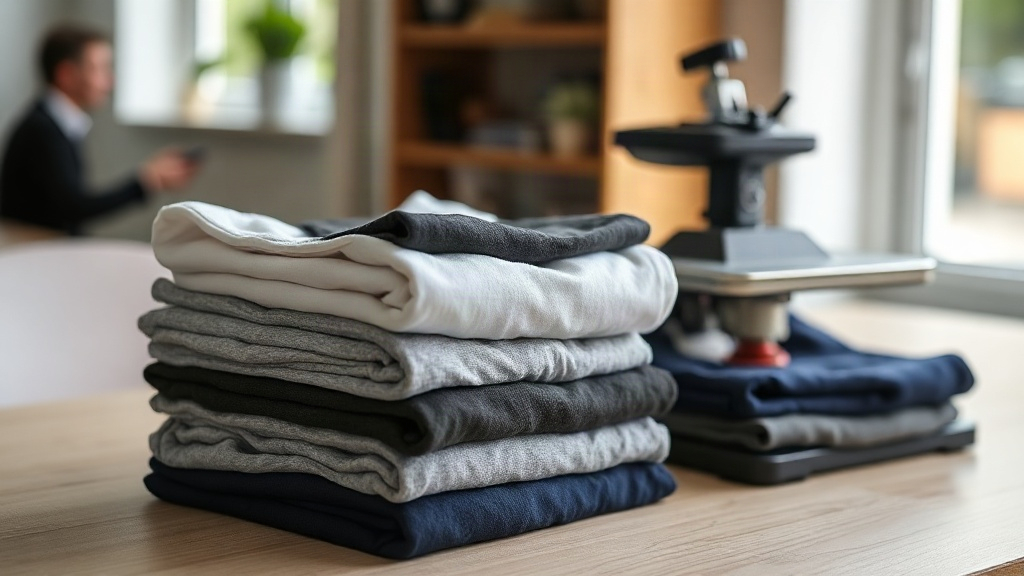
When you're creating custom apparel with DTF transfers, the blank you choose can make or break your final product. You might have the perfect design, the right printer, and the best transfer film, but if your blank isn't up to par, you'll end up with cracked prints, dull colors, or a shirt that feels stiff and uncomfortable. That's where smart blanks come in. These specially engineered garments are designed to work seamlessly with DTF transfers, giving you professional results every time. In this guide, we'll explore why smart blanks and brands like shaka wear are game-changers for your DTF projects, and share actionable tips to help you achieve flawless prints that last.
What Are Smart Blanks and Why Do They Matter for DTF Transfers?
Smart blanks are apparel items that have been optimized for direct-to-film (DTF) printing. Unlike standard blanks, they feature specific fabric blends, weaves, and finishes that enhance adhesion, color vibrancy, and durability. When you use a smart blank, you're not just getting a shirt; you're getting a canvas that's been engineered to bring out the best in your DTF transfers.
DTF transfers are a relatively new printing method that involves printing your design onto a special film, applying a powder adhesive, and then heat-pressing it onto the fabric. The process is versatile and works on a wide range of materials, but not all blanks are created equal. Some fabrics, like those with high synthetic content or rough textures, can cause the transfer to peel or fade prematurely. Smart blanks eliminate these issues by providing an ideal surface for the transfer to bond with.
So, what makes a blank "smart"? It typically comes down to three factors: fabric composition, weight, and finish. Let's break those down.
Fabric Composition
The best smart blanks for DTF transfers are usually made from 100% cotton or a cotton-polyester blend with a high cotton content. Cotton fibers have a natural roughness that allows the adhesive powder to grip effectively, resulting in a strong bond. Polyester, on the other hand, can be tricky because it's smooth and can repel the adhesive if not properly treated. However, some polyester blends are specially formulated to accept DTF transfers well. For example, shaka wear offers a range of tees that blend cotton and polyester in proportions that maximize printability.
When choosing a blank, aim for at least 50% cotton. If you're working with performance wear or all-polyester garments, look for those labeled as DTF-friendly or pre-treated for sublimation, as they often work better with DTF than untreated polyester.
Fabric Weight
Heavier fabrics tend to handle the heat and pressure of the DTF process better than lightweight ones. A medium to heavy weight (around 5.3 oz to 6.1 oz per square yard) provides a stable surface that won't shift or scorch during pressing. Lightweight blanks may require lower temperatures and shorter press times, which can compromise the durability of the transfer. Smart blanks from reputable brands are often in the 5.5 oz to 6.5 oz range, offering the perfect balance of comfort and durability.
Finish and Texture
The surface texture of the fabric also plays a role. A smooth, tight weave allows the transfer to adhere evenly, while a rough or loose weave can cause the design to look patchy. Some smart blanks undergo a special finishing process that creates a smooth, even surface without the need for additional pretreatment. This saves you time and ensures consistent results.
Why Shaka Wear Stands Out for DTF Transfers
If you're in the custom apparel business, you've likely heard of shaka wear. This brand has built a reputation for producing high-quality blanks that cater to the streetwear and urban fashion markets. But did you know that shaka wear tees are also excellent for DTF transfers? Here's why they're a top choice among professionals.
First, shaka wear garments are made from premium cotton and cotton blends that are soft yet durable. Their classic tees, for instance, are 100% cotton and have a smooth surface that accepts DTF transfers beautifully. The fabric's tight knit prevents the transfer from sinking in too deep, so your design stays crisp and vibrant.
Second, shaka wear offers a variety of styles and colors, from basic tees to hoodies and tank tops. This versatility means you can use the same DTF setup across different garment types without worrying about inconsistent results. Whether you're printing a bold graphic on a black tee or a subtle logo on a white hoodie, shaka wear delivers.
Third, shaka wear blanks are pre-shrunk, which minimizes the risk of the garment shrinking after the heat press. Shrinkage can cause the transfer to pucker or crack, so starting with a stable blank is crucial. With shaka wear, you can press with confidence.
Finally, shaka wear is known for its consistent quality. When you order a batch of blanks, you want them to be uniform in size, color, and fabric. shaka wear maintains strict quality control, so you won't have to deal with variations that can ruin your production run.
How to Choose the Right Smart Blank for Your DTF Project
Not all smart blanks are the same, and the best choice depends on your specific project. Here are key factors to consider:
- Fabric content: As mentioned, cotton-rich blends are ideal. For stretchy fabrics like spandex, look for blanks with at least 5% spandex to allow the transfer to flex without cracking.
- Color: DTF transfers show up best on light to medium colors. If you're printing on dark garments, ensure your transfer includes a white underbase for opacity. Smart blanks in dark colors are often treated to enhance adhesion.
- Weave and texture: Smooth, tight weaves are best. Avoid heavy fleece or ribbed knits unless you're experienced with adjusting your press settings.
- Brand reputation: Stick with trusted brands like shaka wear that are known for DTF compatibility.
- Pre-treatment: Some smart blanks come pre-treated for DTF, saving you a step. If not, you may need to apply a pretreatment spray, especially on polyester.
When in doubt, order a sample and test your DTF transfers before committing to a large order. This small investment can save you from costly mistakes.
Step-by-Step Guide to Applying DTF Transfers on Smart Blanks
Once you've selected your smart blanks, follow these steps to ensure a flawless application:
- Preheat the garment: Set your heat press to the recommended temperature (usually 300-325°F for cotton). Prepress the blank for 5-10 seconds to remove moisture and wrinkles.
- Position the transfer: Place your DTF transfer face-down on the garment. Use heat-resistant tape to secure it if needed.
- Press: Apply medium to firm pressure for 10-15 seconds. The exact time depends on your transfer and fabric; always follow the transfer manufacturer's instructions.
- Peel: Wait for the transfer to cool completely (cold peel) or peel while hot (hot peel) based on the film type. Cold peel is more common for DTF.
- Post-press: For added durability, cover the design with a Teflon sheet or parchment paper and press for another 5-10 seconds.
Remember, every smart blank may have slightly different pressing requirements. Test a small area first, and keep a log of settings that work best for each fabric type.
Common Pitfalls to Avoid with DTF Transfers on Smart Blanks
Even with the best smart blanks, mistakes can happen. Here are some common issues and how to prevent them:
- Peeling or cracking: This often happens due to insufficient pressure, incorrect temperature, or using a blank that wasn't DTF-friendly. Double-check your press settings and consider switching to a smart blank if problems persist.
- Dull colors: If your transfers look faded, you might be pressing at too high a temperature, which can scorch the ink. Lower the temperature and increase the time slightly.
- Stiff feel: A thick transfer can make the garment feel rigid. Choose a thinner transfer film and avoid over-pressing. Smart blanks with a soft hand feel help mitigate this.
- Adhesive residue: If the transfer leaves a sticky residue, it's usually because the powder wasn't fully melted. Increase the pressing time or temperature slightly.
By avoiding these pitfalls, you'll achieve professional-looking results that your customers will love.
Frequently Asked Questions
Can I use DTF transfers on any fabric, or do I need smart blanks?
While DTF transfers can adhere to many fabrics, they work best on smart blanks that are optimized for the process. Fabrics with high cotton content, smooth texture, and medium weight yield the best results. Using non-optimized blanks may lead to poor adhesion and reduced durability.
How do I know if a Shaka Wear shirt is compatible with DTF transfers?
Most shaka wear tees are made from 100% cotton or cotton blends, which are excellent for DTF. Check the product description for fabric content; if it's at least 50% cotton and has a smooth finish, it should work well. You can also test a small area before full production.
What temperature should I use for DTF transfers on smart blanks?
The ideal temperature typically ranges from 300°F to 325°F, but it can vary based on the fabric and transfer film. Always follow the transfer manufacturer's recommendations and adjust based on your test results. For smart blanks with polyester, lower temperatures (around 280°F) may be necessary to prevent scorching.
How long will DTF transfers last on smart blanks?
With proper application and care, DTF transfers on smart blanks can last as long as the garment itself. Wash the garment inside out in cold water and avoid ironing directly on the design to maximize longevity. Following the correct pressing parameters is key to durability.
Can I stretch the garment after applying a DTF transfer?
DTF transfers have some flexibility, especially when applied to fabrics with elastane. However, excessive stretching can cause cracking over time. If you need high stretch, choose a smart blank with spandex and use a transfer film designed for stretch fabrics.
By now, you understand why smart blanks are essential for flawless DTF transfers. Whether you're a hobbyist or a professional, investing in quality blanks like shaka wear will save you time, reduce waste, and ensure your customers receive durable, vibrant apparel. So next time you fire up your heat press, make sure you're using a smart blank that's up to the task. Your designs, and your customers, will thank you.