
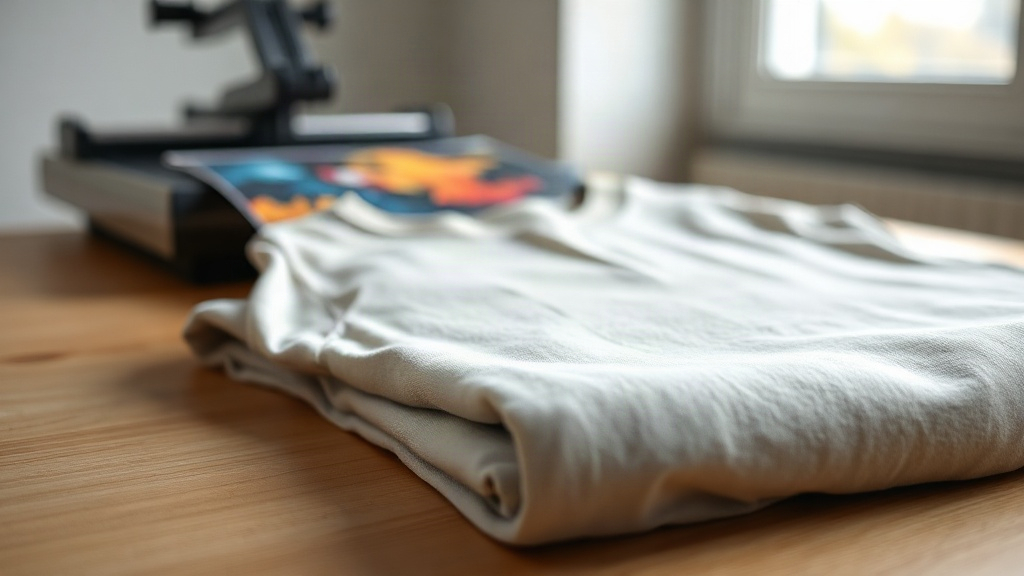
When you're creating custom apparel with DTF printing, the blank you choose can make or break the final product. Shaka Wear has quietly become a go-to option for printers who need consistent quality without the premium price tag. But what exactly makes these blanks so well-suited for DTF transfers? And how do you get the best results when printing on them? This guide dives into the details, from fabric composition to pressing techniques, so you can decide if Shaka Wear is right for your next project.
Why Shaka Wear Stands Out for DTF Printing
DTF (Direct to Film) printing has exploded in popularity because it works on almost any fabric, but not all blanks are created equal. Shaka Wear garments, particularly their t-shirts and hoodies, are known for a few key traits that align perfectly with DTF requirements.
First, the fabric is typically 100% cotton or a cotton-poly blend with a smooth, tight weave. That smooth surface allows the DTF transfer to adhere evenly, reducing the chance of peeling or cracking. Second, the dyes used in Shaka Wear blanks are colorfast, meaning they won't bleed into the transfer during pressing. This is crucial because a low-quality dye can migrate into the adhesive, dulling the print's vibrancy.
Third, the weight of the fabric matters. Most Shaka Wear tees fall in the 5.5 to 6.5 oz range, which provides enough substance to support the transfer without being too heavy. A lighter blank might allow the transfer to feel stiff, while a heavier one can make pressing uneven. This middle ground is a sweet spot for DTF.
Fabric Composition and DTF Compatibility
Not all Shaka Wear styles are identical. Their classic tees are 100% cotton, while some blends include polyester. Here's how each behaves with DTF:
- 100% Cotton: Excellent adhesion, soft hand feel, but colors may appear slightly muted compared to polyester. Requires precise pressing to avoid scorching.
- Cotton-Poly Blend (50/50 or 60/40): The polyester content helps the transfer bond more strongly and can make colors pop. However, if the poly content is too high, you may need to adjust temperature to avoid melting.
- Tri-Blend: Softer but trickier; the rayon can cause uneven adhesion if not pressed carefully. Best for experienced printers.
For beginners, starting with 100% cotton Shaka Wear tees is a safe bet. They're forgiving and produce reliable results.
How to Achieve Flawless DTF Prints on Shaka Wear
Even the best blank can fail if your technique is off. Here's a step-by-step approach that works consistently with Shaka Wear garments.
Step 1: Prep the Garment
Pre-press the shirt for 5-7 seconds at 320°F (160°C) to remove moisture and wrinkles. This step is often skipped, but it's critical. Moisture trapped in the fabric can turn to steam during pressing, causing the transfer to lift or bubble. Shaka Wear cottons tend to hold a bit of moisture from shipping, so don't skip this.
Step 2: Position and Press
Place your DTF transfer with the adhesive side down. Use medium pressure (around 4-6 on a 1-10 scale) and press at 320°F for 15-20 seconds. If you're using a cotton-poly blend, drop the temperature to 300°F to avoid scorching the polyester.
One common mistake is using too much pressure. This can cause the adhesive to spread beyond the design, creating a visible outline. Medium pressure is enough to embed the transfer without squashing the fabric weave.
Step 3: Peel and Post-Press
Let the transfer cool completely before peeling. For a matte finish, peel cold; for a slightly glossier look, peel warm. After peeling, cover the design with parchment paper and press again for 5-10 seconds. This post-press ensures the adhesive fully cures and improves wash durability.
With Shaka Wear, I've found that a second press at 300°F for 8 seconds works wonders. It locks the edges down without flattening the print.
Common Pitfalls and How to Avoid Them
Even seasoned printers run into issues. Here are the most frequent problems when working with Shaka Wear and DTF, plus fixes.
- Peeling after wash: Usually caused by under-pressing or insufficient pressure. Increase time by 5 seconds and check pressure.
- Cracking: Often from over-stretching the garment during pressing. Let the fabric relax before pressing.
- Dull colors: Could be due to low temperature or old transfer film. Ensure your printer's settings match the film manufacturer's recommendations.
- Adhesive residue around edges: Too much pressure or a worn press pad. Replace the pad and reduce pressure.
These issues are rarely the fault of the blank itself. Shaka Wear is consistent, but DTF is a process that demands attention to detail.
Shaka Wear vs. Other Popular Blanks for DTF
How does Shaka Wear stack up against other blanks like Gildan, Bella+Canvas, or Next Level? Each has strengths.
Gildan 5000 is a budget workhorse, but its rougher texture can make DTF prints feel less smooth. Bella+Canvas 3001 is ultra-soft but sometimes too thin, leading to transfer stiffness. Next Level 6210 is similar to Bella but with a slightly different fit.
Shaka Wear hits a middle ground: substantial enough for a premium feel, smooth enough for vibrant prints, and priced competitively. For printers who want a reliable blank that won't break the bank, it's a smart choice.
Care Instructions to Extend Print Life
To keep your DTF-printed Shaka Wear apparel looking fresh, follow these care tips:
- Wash inside out in cold water.
- Tumble dry low or hang dry.
- Avoid ironing directly on the print.
- Do not bleach or use fabric softener.
These simple habits can double the lifespan of your prints, saving you money and keeping customers happy.
Frequently Asked Questions
Can I use DTF printing on 100% cotton Shaka Wear shirts?
Absolutely. DTF works beautifully on 100% cotton. Just ensure you pre-press to remove moisture and use a medium pressure. The print will adhere well and feel soft after washing.
What temperature should I use for Shaka Wear hoodies with DTF?
Most Shaka Wear hoodies are cotton-poly blends, so set your press to 300°F (150°C) for 15 seconds. If the fabric is 100% cotton, you can go up to 320°F. Always test on a scrap piece first.
Do Shaka Wear blanks require special pretreatment for DTF?
No pretreatment is needed for DTF, unlike DTG. However, pre-pressing the garment is essential to remove wrinkles and moisture. That's the only prep required.
How durable are DTF prints on Shaka Wear after multiple washes?
With proper pressing and care, DTF prints on Shaka Wear can last 50+ washes without significant fading or cracking. Using cold water and avoiding harsh detergents will maximize longevity.
Is Shaka Wear a good choice for selling custom apparel?
Yes, especially if you're targeting customers who want a quality feel without a luxury price. The blanks are consistent, take prints well, and come in a wide range of colors and sizes, making them a solid option for small businesses.