
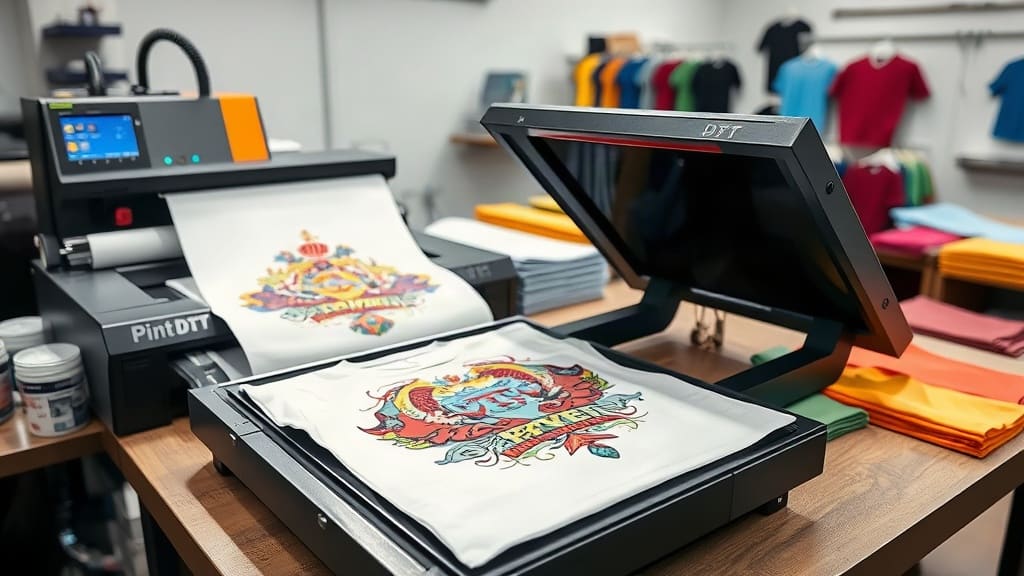
If you are looking for a versatile and cost-effective way to create custom apparel, DTF transfers might be exactly what you need. DTF, which stands for Direct to Film, has taken the printing industry by storm. Unlike traditional methods that require expensive equipment or complicated setups, DTF transfers offer a simpler path to vibrant, durable designs on various fabrics. In this guide, we will walk you through everything from the basics to advanced tips, ensuring you have all the knowledge to make informed decisions for your printing projects.
What Are DTF Transfers?
DTF transfers are a printing method where a design is printed onto a special PET film using a DTF printer and then transferred onto fabric using a heat press. The process involves printing a mirrored image on the film, applying adhesive powder to the printed side, and then curing it. When you place the film on a garment and apply heat and pressure, the design transfers seamlessly, leaving a soft, stretchable print.
This method stands out because it works on a wide range of materials, including cotton, polyester, blends, and even difficult surfaces like nylon. Unlike screen printing, DTF does not require separate screens for each color, making it ideal for colorful, detailed designs. And compared to heat transfer vinyl (HTV), DTF allows for more intricate graphics without the hassle of weeding.
How DTF Transfers Work: A Step-by-Step Overview
Understanding the mechanics helps you appreciate why DTF has become so popular. Here is a simple breakdown of the process:
- Printing: Using a DTF printer, you print your design in reverse onto a PET film with CMYK ink plus white ink. The white ink serves as a base layer to ensure colors pop on dark fabrics.
- Applying Adhesive: While the ink is still wet, you apply a hot-melt adhesive powder over the printed area. The powder sticks only to the ink.
- Curing: You then cure the film in an oven or using a heat press at a specific temperature to melt the adhesive powder, creating a strong bond.
- Transfer: To transfer, you place the film adhesive-side down on the garment and press it with a heat press at around 320°F (160°C) for 10-15 seconds.
- Peeling: After pressing, you peel off the film while it is still warm (hot peel) or after it cools (cold peel), depending on the adhesive type. The design remains on the fabric.
This method is efficient for both small batches and large production runs. Since you can print multiple designs on a single sheet, you can maximize your output and reduce waste.
Why Choose DTF Transfers Over Other Methods?
Many businesses and hobbyists are switching to DTF transfers because of the numerous advantages they offer. Here are some key benefits:
- Color Vibrancy: DTF prints are incredibly vivid, with excellent color reproduction. The white base layer ensures colors remain bright even on dark shirts.
- Durability: The adhesive creates a strong bond that withstands repeated washing without cracking or peeling. This makes DTF ideal for apparel that gets heavy use.
- Versatility: You can apply DTF transfers to nearly any fabric, including cotton, polyester, nylon, and blends. It works on hats, bags, and even shoes.
- Soft Hand Feel: Unlike thick vinyl decals, DTF prints have a soft texture that does not feel stiff or rubbery. The print flexes with the fabric, providing comfort.
- No Weeding: Since the entire design is transferred as a whole, there is no need to weed out excess material, saving time and labor.
- Cost-Effective for Small Runs: For small orders, DTF is more affordable than screen printing because there are no setup fees or minimum quantities.
- Easy Scaling: You can print as many or as few as you want, making it perfect for on-demand production and testing new designs.
These advantages make DTF transfers a preferred choice for custom apparel businesses, print shops, and DIY enthusiasts.
DTF Transfers vs. Screen Printing vs. DTG
To fully appreciate DTF, it helps to compare it with other popular printing methods. Screen printing involves creating a mesh screen for each color and pushing ink through it. While it offers excellent color density and is cost-effective for large quantities, it requires significant setup and is not practical for small orders. Direct-to-garment (DTG) printing works like a regular printer but on fabric. It is great for detailed designs and small batches but often struggles with dark fabrics and can have a higher cost per unit.
DTF bridges the gap. It offers the detail and color range of DTG but with the durability and fabric versatility of screen printing. Moreover, DTF does not require pre-treatment on cotton shirts, unlike DTG, which often does. This makes DTF a more streamlined process, especially for mixed-fabric orders.
Getting Started with DTF Transfers: What You Need
If you are ready to dive into DTF printing, you will need some essential equipment and supplies. Here is a checklist:
- DTF Printer: A printer specifically designed for DTF, typically a modified Epson or a dedicated DTF printer. These printers use pigment inks and white ink.
- DTF Inks: High-quality CMYK and white inks formulated for DTF. Using genuine inks ensures vibrant colors and proper adhesion.
- PET Film: Specially coated PET film that receives the ink and releases it during transfer. You can buy rolls or sheets.
- Adhesive Powder: Hot-melt powder that activates under heat. Choose the right grain size for your needs (fine for detailed prints, coarse for larger areas).
- Heat Press: A reliable heat press capable of reaching at least 350°F and providing even pressure. A 15x15 inch clamshell or swing-away press is common.
- Curing Oven or Heat Gun: To melt the adhesive powder after applying it to the film. Some setups use a heat press with a Teflon sheet.
- Software: Design software like Adobe Illustrator or Photoshop to create your artwork. You'll also need RIP software to control the printer and manage color profiles.
Tips for Perfect DTF Transfers Every Time
Even with the right equipment, achieving flawless results requires attention to detail. Here are practical tips to improve your DTF prints:
- Calibrate Your Printer: Regularly run nozzle checks and cleanings to ensure your printer is in top condition. Proper ink flow is crucial for sharp details.
- Use High-Resolution Artwork: Always design at 300 DPI to avoid pixelation. Vector files (like SVG or AI) are best for scaling.
- Color Management: Create ICC profiles for your specific inks and films to ensure accurate color reproduction. Test prints are essential.
- Shake the Adhesive Powder: Before applying, shake the powder container to ensure an even mix. Application should be uniform; too little powder causes weak adhesion, too much creates a thick layer that may crack.
- Press with Even Pressure: Uneven pressure can lead to patchy transfers. Ensure your heat press is properly calibrated and the platen is clean.
- Peel at the Right Time: Follow the adhesive manufacturer's instructions for hot or cold peel. Some adhesives require a hot peel, while others need cooling. Incorrect peeling can cause the design to lift.
- Test on Fabric Scraps: Before committing to a bulk order, test the transfer on a scrap piece of the same fabric to check adhesion, color, and feel.
- Store Films Properly: Keep printed films in a dry, flat place to prevent curling or dust accumulation.
Cost Considerations: Is DTF Worth It?
The initial investment for DTF equipment can be significant. A good DTF printer can cost anywhere from $1,500 to $5,000, and additional supplies like inks and films add up. However, for businesses that produce custom apparel regularly, the return on investment can be quick. DTF transfers eliminate the need for screen setup costs, making it economical for short runs. You can also sell printed films as a product, allowing customers to press garments themselves, creating an additional revenue stream.
For hobbyists, you might consider using a DTF service that prints and ships transfers to you. This way, you only need a heat press, which many crafters already own. This approach lets you benefit from DTF without the upfront equipment costs.
Common Mistakes to Avoid in DTF Printing
Even seasoned printers can stumble. Here are some pitfalls to steer clear of:
- Skipping Pre-Press: Always pre-press the garment for a few seconds to remove moisture and wrinkles. This helps the transfer adhere better.
- Using the Wrong Temperature: Each adhesive powder has an optimal activation temperature. Using too low a temperature will result in poor adhesion, while too high can scorch the fabric.
- Ignoring Print Resolution: Low-resolution images lead to blurry transfers. Always start with high-quality artwork.
- Poor Powder Distribution: Inconsistent powder application can cause weak spots or excess buildup. Use a shaker or powder applicator for even coverage.
- Not Curing Properly: If the adhesive is not fully cured, the transfer may wash out. Ensure you meet the recommended time and temperature.
- Forgetting to Mirror Your Design: Since the transfer is applied face down, your printed design must be mirrored. Failing to do so results in reversed text or graphics.
Frequently Asked Questions About DTF Transfers
Can DTF transfers be used on any fabric?
Yes, one of the biggest advantages of DTF transfers is their versatility. They work on cotton, polyester, nylon, leather, denim, and blends. However, for synthetic fabrics like nylon, you may need to use a lower temperature and pressure to avoid damaging the material. Always test on a small area first.
How many washes can a DTF transfer withstand?
High-quality DTF transfers are incredibly durable. With proper care, they can last for 50 or more washes without significant fading or cracking. Washing garments inside out in cold water and air drying can extend the life of the print.
Is DTF printing eco-friendly?
DTF printing is relatively eco-friendly compared to some traditional methods. It produces less waste than screen printing because you only print what you need. The inks are water-based and free of harmful chemicals like PVC and phthalates. However, the PET film is plastic, so recycling options are limited. Many manufacturers are working on biodegradable films to reduce environmental impact.
Do I need a special printer for DTF transfers?
Yes, DTF requires a printer that can handle white ink and pigment inks. Standard inkjet printers cannot handle the thicker white ink. You can convert some Epson printers, but it is often more reliable to invest in a dedicated DTF printer designed for this purpose.
Can I sell items made with DTF transfers?
Absolutely! Many entrepreneurs use DTF transfers to create custom apparel for sale. Since there are no licensing restrictions on the printing method itself, you can sell your products as long as you have the rights to the designs you use. This makes DTF a great option for small businesses and side hustles.
Final Thoughts: Is DTF Right for You?
DTF transfers have revolutionized the custom apparel industry, offering a perfect balance of quality, cost, and convenience. Whether you are a business looking to expand your product line or a hobbyist wanting to create personalized gifts, DTF provides an accessible route to professional-looking prints. With the right equipment and a bit of practice, you can produce stunning garments that stand up to wear and tear. So why not give it a try? Start with a small project, experiment with different fabrics, and soon you will see why DTF is becoming the go-to choice for creators everywhere.