
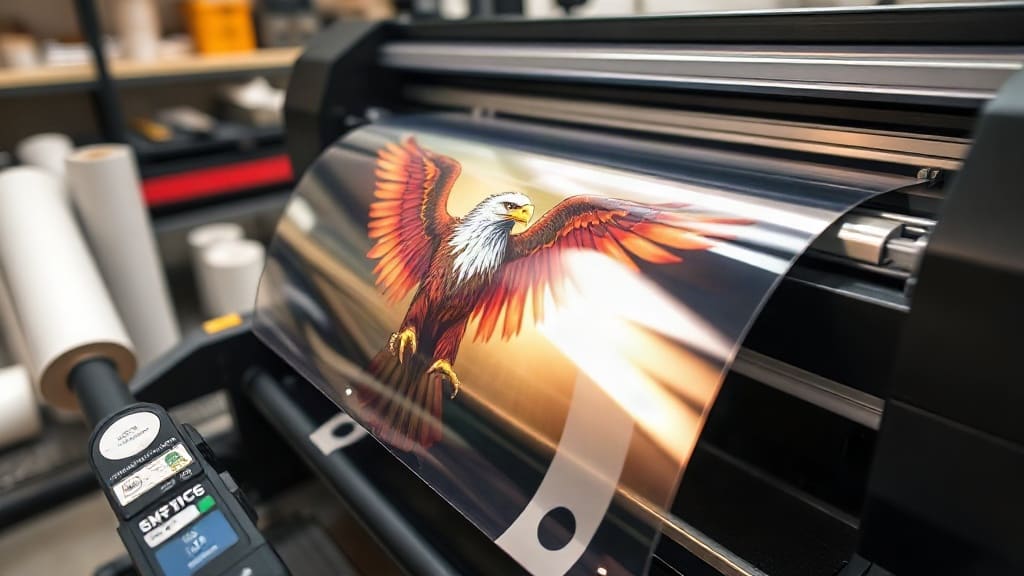
If you've been searching for a versatile and cost-effective way to create custom apparel, DTF transfers might be the answer you've been looking for. Unlike traditional methods that require expensive equipment or complex setups, DTF (Direct to Film) printing has revolutionized how small businesses and hobbyists produce vibrant, durable designs on various fabrics. In this comprehensive guide, we'll explore what DTF transfers are, how they work, their benefits, and how you can use them to elevate your printing game. Whether you're new to apparel decoration or an experienced printer, this article will provide valuable insights to help you make the most of this innovative technology.
What Are DTF Transfers?
DTF transfers are a method of printing custom designs onto a special film, which is then transferred to fabric using heat and pressure. Unlike screen printing or heat transfer vinyl, DTF allows for full-color prints with intricate details, gradients, and even photographic images. The process involves printing your design onto a PET film with a specialized DTF printer, applying an adhesive powder, and then curing it. Later, you place the film on your garment and apply heat, which releases the design and bonds it to the fabric. The result is a soft, stretchable, and highly durable print that can withstand repeated washing.
How Does DTF Printing Work?
Understanding the DTF process can help you appreciate its advantages and troubleshoot any issues. Here’s a step-by-step breakdown:
- Design and Print: Create your design using graphic software, then print it onto a special PET film using a DTF printer with white ink underneath for opacity.
- Apply Adhesive Powder: While the ink is still wet, evenly coat the printed film with a hot-melt adhesive powder. Shake off excess powder.
- Cure the Powder: Pass the film through a heat source (like a dryer or heat press) to melt and fuse the powder with the ink, creating a sticky layer.
- Transfer to Garment: Place the film onto your fabric with the print side down. Apply heat and pressure using a heat press for the recommended time and temperature.
- Peel: After pressing, peel the film away (hot or cold, depending on the film type) to reveal your vibrant, ready-to-wear design.
This process might sound involved, but once you get the hang of it, it's quite straightforward. Many users find DTF transfers easier than other methods because they don't require weeding (like vinyl) or complex screen setups.
Key Benefits of DTF Transfers
Why have DTF transfers become so popular? Let's look at some of the standout advantages:
- Versatility: DTF works on a wide range of fabrics: cotton, polyester, blends, denim, and even some nylons. You can print on dark and light-colored garments with equal ease.
- No Weeding: Unlike vinyl, there's no tedious weeding of excess material. The design is printed entirely, saving time and frustration.
- Full Color and Detail: You can reproduce complex artwork with gradients, shadows, and fine details without extra steps.
- Soft Hand Feel: The prints are thin and flexible, providing a soft texture that doesn't crack or peel easily.
- Cost-Effective for Small Runs: DTF is ideal for short production runs and custom orders, as there are no minimum quantities or expensive setup fees.
- Durability: When applied correctly, DTF prints can stretch with the fabric and withstand many washes, making them suitable for everyday wear.
DTF Transfers vs. Other Printing Methods
To truly appreciate DTF, it's helpful to compare it with other popular techniques:
| Method | Pros | Cons |
|---|---|---|
| DTF | Versatile, detailed, no weeding | Requires specialized printer and film |
| HTV (Heat Transfer Vinyl) | Easy for beginners, low cost | Limited colors, weeding required |
| Screen Printing | High volume, low cost per unit | Setup expensive, not for small runs |
| Sublimation | Durable, no hand feel | Only works on polyester, light colors |
DTF sits comfortably between these methods, offering the flexibility of digital printing with the durability of traditional methods. For many businesses, DTF is the perfect balance of quality and affordability.
Tips for Getting the Best Results with DTF Transfers
As with any printing technique, the quality of your final product depends on your technique and materials. Here are some expert tips to ensure your DTF transfers come out flawlessly:
- Use High-Quality Films and Inks: Invest in reputable brands to ensure color vibrancy and adhesion. Cheaper options might save money upfront but can lead to poor results.
- Calibrate Your Printer: Regularly check your printer settings and perform test prints to maintain consistent color and ink density.
- Apply Even Powder: The adhesive powder must cover the entire design evenly. Use a shaker or automated powder applicator for best results.
- Control Temperature and Pressure: Follow the manufacturer's recommendations for your specific film and garment type. Typically, 320°F to 340°F for 10 to 15 seconds at medium to high pressure works well.
- Pre-Press Your Garments: A quick pre-press removes moisture and wrinkles, ensuring a smooth transfer.
- Peel Carefully: Some films require hot peeling, others cold. Always test a sample to find the best method for your setup.
- Test on Scrap Fabric: Before committing to a final garment, test your settings on a piece of scrap fabric to avoid wasting materials.
By following these tips, you can avoid common pitfalls and achieve professional-looking prints every time.
Common Mistakes to Avoid
Even experienced printers can run into issues. Here are some frequent mistakes and how to avoid them:
- Over-pressing: Applying too much heat or pressure can cause the design to crack or the film to stick. Always use a timer and follow guidelines.
- Under-curing the Powder: If the powder isn't fully cured, the design may not adhere properly. Ensure you heat the film enough to melt the powder thoroughly.
- Using the Wrong Film: Not all films are compatible with all inks and fabrics. Check compatibility before purchasing.
- Ignoring Fabric Type: Some fabrics, like high-stretch polyesters, may require special handling. Adjust your temperature and pressure accordingly.
- Skipping Test Prints: Always run a test print to verify colors and settings, especially when using a new batch of film or ink.
Being aware of these pitfalls will save you time and materials.
Applications and Use Cases
The versatility of DTF transfers makes them suitable for a wide range of applications:
- Custom T-Shirts: Perfect for small businesses, events, or personal projects.
- Sportswear: Durable prints that can handle sweat and stretching.
- Workwear: Logos and names on uniforms that need to withstand heavy wash.
- Tote Bags and Accessories: Add personality to canvas bags, backpacks, and more.
- Home Decor: Decorate pillows, towels, and other fabric items.
With DTF, the possibilities are nearly endless, allowing you to offer a unique product range to your customers.
Frequently Asked Questions
How long do DTF transfers last on garments?
With proper application and care, DTF prints can last for many washes without significant fading or cracking. The durability is comparable to screen printing, making it a reliable choice for everyday items. To maximize longevity, wash garments inside out in cold water and avoid using harsh detergents or bleach.
Can DTF transfers be used on dark fabrics?
Yes, one of the biggest advantages of DTF is its ability to print on dark colors. The white ink layer underneath the design ensures opacity, so your colors stand out vividly on black, navy, or other dark shades. This is a major advantage over sublimation, which only works on light, polyester-based materials.
What equipment do I need to start with DTF printing?
To produce your own DTF transfers, you'll need a DTF printer (or a converted Epson printer), DTF inks, PET film, adhesive powder, a heat press, and a curing oven or heat gun. For small-scale operations, you might also consider purchasing pre-made DTF transfers from suppliers, which only require a heat press to apply.
Is DTF printing cost-effective for small orders?
Absolutely. Unlike screen printing, there are no setup costs or minimum order quantities. You can print a single custom shirt or a small batch without breaking the bank. This makes DTF an excellent option for print-on-demand services, Etsy sellers, and local businesses that cater to personalized requests.
Can I use DTF transfers on materials other than cotton?
Yes, DTF transfers work on many fabric types, including cotton, polyester, blends, and even leather-like materials. However, the results can vary, so it's always best to test on a sample. For high-stretch or heat-sensitive materials, you may need to adjust your time and temperature settings.
Conclusion
DTF transfers have truly changed the landscape of custom apparel printing. They offer an unbeatable combination of flexibility, quality, and affordability, making them accessible to anyone from hobbyists to large-scale producers. By understanding the process, leveraging the benefits, and following best practices, you can create stunning, durable prints that will impress your customers and keep them coming back for more. So why not give DTF a try? With a little practice, you'll soon wonder how you ever managed without it.