
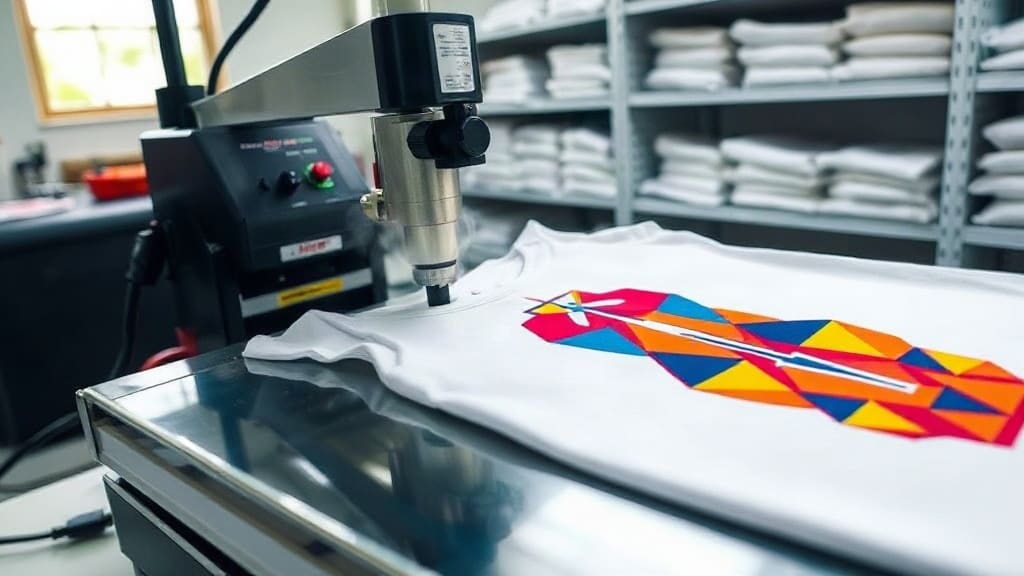
If you're in the custom apparel business or just love creating your own shirts, you've probably heard about DTF printing. It's a game-changer for producing vibrant, durable designs on various fabrics. But finding the right provider can be tricky. You might be searching for dtf transfers near me and wondering who to trust. In this guide, I'll walk you through what DTF is, how to locate quality local printers, and what to look for so you get the best results every time.
What Is DTF Printing?
DTF stands for Direct to Film. It's a printing method where a design is printed onto a special film, then transferred to fabric using heat and adhesive powder. This technique has become super popular because it works on many materials: cotton, polyester, blends, and even leather. Unlike screen printing, DTF doesn't require screens, and unlike vinyl, it can produce detailed, photographic images without weeding.
Here's a quick breakdown of the DTF process:
- The design is printed in reverse onto a PET film using specialized DTF inks.
- Adhesive powder is applied to the wet ink.
- The film is cured to set the adhesive.
- The transfer is later pressed onto the garment with heat and pressure.
This workflow allows for on-demand production, low minimums, and incredible versatility. That's why many small businesses and hobbyists are switching to DTF.
Why Look for Local DTF Transfers?
When you search for dtf transfers near me, you're likely looking for convenience and speed. Local providers offer several benefits:
- Faster turnaround times, especially if you need items urgently.
- Potential to see and feel the transfer quality before buying.
- Reduced shipping costs and no risk of lost packages.
- Opportunity to build a relationship with a supplier for consistent orders.
But not all local printers are equal. You need to evaluate their quality and service to avoid wasting money on transfers that crack, fade, or look amateur.
How to Find Reliable DTF Transfer Providers
Start with a simple online search. Use terms like "DTF printing near me" or "custom DTF transfers in [your city]." Look at reviews on Google, Yelp, or Facebook. But don't stop there. Here are some steps to ensure you find a quality provider:
Check Their Portfolio
Ask for samples of their work. A reputable printer will be happy to show you examples of transfers they've made, especially on different fabric types. Look for:
- Sharp edges and crisp details.
- Vibrant colors that pop.
- Proper alignment of the design.
- Consistency across multiple prints.
If they hesitate to provide samples, that's a red flag.
Inquire About Their Equipment and Materials
Quality DTF printing requires specific equipment: a printer with DTF capability, quality PET film, and high-grade adhesive powder. Ask them what brand of inks and films they use. Well-known brands like Epson, F2100, or other industrial printers are good signs. They should also use proper curing methods to ensure the adhesive bonds well.
Test Their Customer Service
Send a question via their contact form or call them. How quickly do they respond? Are they helpful and knowledgeable? A provider that values customers will be eager to assist. Also, check if they offer design assistance or file setup help, which can be crucial if you're not a graphic designer.
What to Look for in High-Quality DTF Transfers
Even if a provider says they do DTF, the quality can vary. Here are key factors to inspect:
Stretchability and Flexibility
Good DTF transfers should stretch with the fabric without cracking. When you press a transfer, try stretching the material after it cools. If the design cracks or peels, it's low quality.
Wash Durability
Ask about wash testing. Quality transfers should withstand multiple washes without fading or peeling. Look for providers who guarantee their transfers for a certain number of washes, typically 40-60.
Color Depth and Detail
Transfer should capture subtle gradients and fine lines. If you're printing a complex logo or photo, ensure the printer can handle high-resolution files. Ask for a test print of a detailed image.
Adhesive Quality
The adhesive powder must be evenly applied. Uneven adhesive can lead to weak spots that peel easily. A good transfer will have a smooth, tacky feel on the back (the film side).
Making Your Own DTF Transfers: Pros and Cons
If you're considering buying a DTF printer to make transfers in-house, weigh the options.
Pros:
- Full control over quality and turnaround.
- Higher profit margins if you have high volume.
- Ability to offer custom DTF transfers to others.
Cons:
- Initial investment can be $5,000 to $20,000 for a decent setup.
- Learning curve for color management, film handling, and maintenance.
- Ongoing costs for film, ink, and powder.
For many, outsourcing to a reliable local provider is more cost-effective, especially when starting.
Case Studies: How Others Benefit from Local DTF Transfers
Let me share a couple of examples to illustrate the value of finding the right local supplier.
Sarah runs a small boutique in Austin. She wanted to offer custom shirts with unique designs but didn't have space for a large printer. She searched for dtf transfers near me and found a shop that offered dtf transfers with no minimum order. She could order just a few copies of each design, test them on different fabrics, and quickly restock popular items. The fast turnaround helped her keep inventory low and respond to trends.
Another example: Mike, a fitness trainer, wanted to create his own branded apparel. He found a local DTF printer through a Facebook group. The printer provided samples and even helped him adjust his logo for optimal print. Now Mike orders transfers and applies them himself using a heat press, cutting his costs significantly.
Tips for Working with DTF Transfer Providers
To get the best outcomes, follow these practical tips:
Prepare Your Files Properly
Make sure your artwork is at least 300 DPI. Use PNG files with transparent backgrounds for the best results. If you're not sure, ask the provider for their file requirements. They might also offer design services for a fee.
Test on Different Fabrics
DTF works on many materials, but results vary. Cotton gives a soft feel, while polyester might need a lower temperature. Always do a test press on the exact fabric you plan to use.
Communicate Clearly
Tell the provider the colors you expect, the size, and the fabric type. Misunderstandings can lead to wasted transfers. Ask for a proof before they print in bulk.
Consider the Cost per Transfer
Prices vary based on size, color count, and quantity. Compare quotes from different providers, but don't choose the cheapest without checking quality. A slightly higher price is worth it if the transfers last longer.
Common Mistakes to Avoid When Ordering DTF Transfers
Learn from others' errors to save time and money.
- Ignoring design resolution: Blurry prints look unprofessional.
- Not checking color profiles: Colors might shift from screen to print. Ask for a physical sample.
- Assuming all providers are the same: Do your homework.
- Forgetting to specify fabric type: This affects press time and temperature.
- Overlooking wash tests: Always test a transfer after washing to ensure durability.
Frequently Asked Questions About DTF Transfers
How many washes can a DTF transfer withstand?
High-quality DTF transfers should last at least 40-60 washes if cared for properly. Wash garments inside out in cold water and avoid harsh detergents or bleach. Tumble dry low or hang dry to extend the transfer's life.
What is the difference between DTF and screen printing?
Screen printing requires creating screens for each color and is cost-effective for large quantities. DTF printing is digital, so it's perfect for small runs, complex designs, and full-color images. DTF also allows for printing on-demand without setup fees.
Can I apply DTF transfers to any fabric?
Yes, DTF transfers work on a wide range of fabrics, including cotton, polyester, blends, and even nylon. However, the heat press temperature and time may need adjustment for synthetic materials to avoid melting. Always test first.
How much do DTF transfers cost per piece?
The cost depends on transfer size, quantity, and provider. For a standard 10x10 inch transfer, prices can range from $1.50 to $5.00 per transfer. Bulk orders typically lower the price. Local providers might have different pricing than online ones.
Do I need a heat press to use DTF transfers?
Yes, you'll need a heat press with adjustable temperature and pressure. A standard clamshell or swing-away press works fine. Set the temperature to around 320°F (160°C) for cotton, and press for 10-15 seconds with medium pressure. Peel the film after cooling.
Final Thoughts on Finding DTF Transfers Near You
Searching for dtf transfers near me is a smart move if you value speed, quality, and personal service. By following the advice in this article, you can locate a provider that meets your needs and produces transfers that make your designs shine. Remember to inspect samples, ask about materials, and test the final product. With the right partner, DTF printing can open up a world of possibilities for your apparel projects.
Whether you're a seasoned pro or just starting, investing time in finding a reliable local DTF printer pays off. You'll get transfers that look professional, last long, and help you stand out from the competition. So go ahead, start your search, and create something amazing today.