
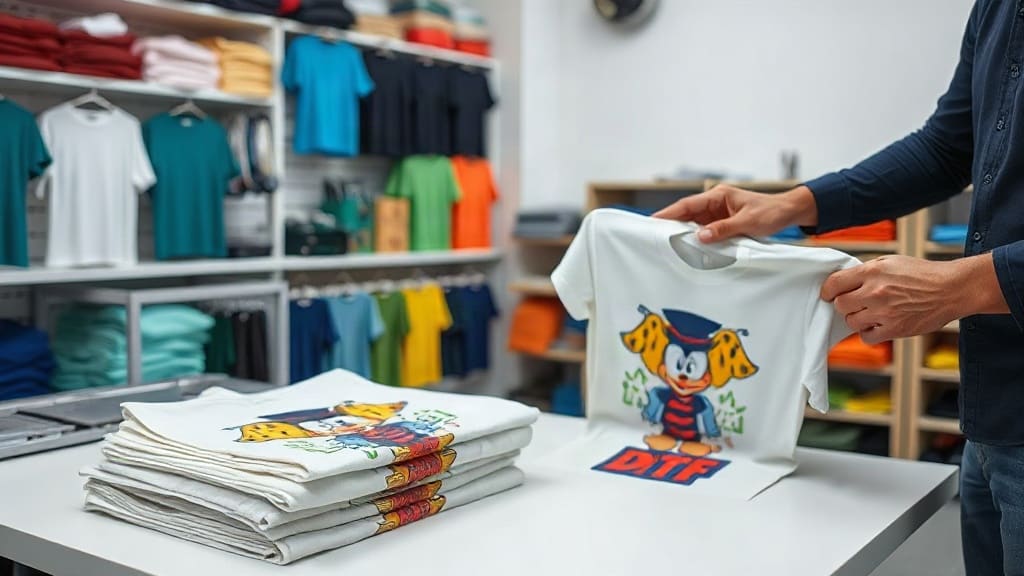
Are you tired of ordering DTF prints online, waiting days for shipping, and hoping the quality matches what you saw on screen? If you've searched "DTF transfers near me," you're not alone. Many small business owners and DIY crafters prefer working with a local provider for faster turnaround, better communication, and the ability to inspect physical samples before committing. But finding the right local supplier isn't just about proximity; it's about quality, reliability, and value. In this guide, we'll walk you through everything you need to know to locate and evaluate DTF transfers near you, so you can produce apparel that stands out and lasts.
Why Choose Local DTF Transfers?
There are several practical reasons to look for DTF transfers in your area. First, shipping costs and lead times can be a pain, especially when you have an urgent order or a last-minute event. Working with a local provider allows you to pick up your transfers in person, saving both time and money. Second, you can build a relationship with the printer, which often leads to better customer service and consistency. Third, you can inspect the quality firsthand, test different films and powders, and get immediate feedback on your designs. These advantages are significant for anyone who values efficiency and quality control.
What to Look for in a DTF Transfer Provider
Before you start calling local print shops, it helps to understand what separates a great DTF provider from a mediocre one. Here are the key factors to consider:
Print Quality and Resolution
The core of any DTF transfer is the print quality. Ask about the printer resolution (typically 1200 dpi or higher) and the type of inks used. High-quality CMYK plus white ink is essential for vibrant colors and opacity on dark garments. Ask to see samples, especially on dark fabrics, to check for clarity, color saturation, and white underbase coverage.
Film and Adhesive Powder
Premium DTF transfers rely on quality PET film and hot-melt adhesive powder. The film should be smooth and not too thick, and the powder should melt evenly to create a strong bond. A good provider will use films and powders from reputable brands and be willing to discuss their materials. Be wary of providers that can't specify their supplies or seem vague about the process.
Production Capabilities
Depending on your volume, you may need a provider that can handle small runs as well as large ones. Some local shops focus on commercial orders but may have minimum quantities that are too high for a small business. Others might charge more for small batches. Look for someone flexible with your needs, whether you're a hobbyist or scaling up.
Turnaround Time
One of the biggest advantages of shopping locally is speed. Ask about their typical turnaround: is it 24 hours, 48 hours, or longer? Do they offer rush services? Make sure their schedule aligns with your deadlines. A reliable provider will be transparent about lead times and able to meet them consistently.
Pricing and Value
Price is always a factor, but don't automatically choose the cheapest option. Lower prices might mean lower quality films or inks, which could lead to cracking, peeling, or dull colors. Compare quotes from several local providers, but also weigh the quality and service. Sometimes paying a bit more per transfer saves you from costly reprints and unhappy customers.
Questions to Ask When Searching “DTF Transfers Near Me”
When you contact a potential provider, be prepared with targeted questions. Here are some to get you started:
- What printer and RIP software do you use?
- Can you provide a sample transfer that I can press and test?
- What is your minimum order quantity?
- Do you offer any guarantees on adhesion or washability?
- How do you handle color matching for specific brand colors?
- What file formats do you accept, and do you offer design assistance?
- Do you have a physical storefront or is it online only?
These questions help you gauge their professionalism and expertise. A provider that answers confidently and shows samples is likely a good choice.
How to Evaluate DTF Transfer Samples
Once you get samples, don't just look at them; test them. Press a sample onto a cotton t-shirt using the recommended temperature, pressure, and time. Then, wash the shirt a few times to see how the transfer holds up. Check for cracking, peeling, or fading. Also, stretch the fabric to see if the transfer flexes well. This simple test can save you from future frustration.
Common Mistakes to Avoid When Choosing a Local DTF Provider
Even with careful research, it's easy to fall into traps. Here are some pitfalls to avoid:
Ignoring the Reputation
Don't rely solely on a flashy website or social media presence. Look for reviews on Google, Yelp, or local business directories. Ask for references and reach out to other local businesses that use their services. Word-of-mouth is powerful in the apparel industry.
Overlooking Experience
DTF is a relatively new technology, but experienced providers will have fine-tuned their processes. Ask how long they've been offering DTF transfers and whether they have experience with different fabric types. Newer shops might still be learning, which could reflect in their output.
Not Clarifying the Order Details
Before placing an order, make sure you understand every detail: file prep, print size, color matching, and delivery. Get everything in writing, especially if you have specific requirements. Misunderstandings can lead to delays and disappointments.
Choosing Price Over Quality
As mentioned, the cheapest is rarely the best. If a deal seems too good to be true, it probably is. Low-quality transfers can ruin your brand reputation and cost you more in the long run. Invest a little more for quality that lasts.
Benefits of Working with a Local DTF Transfer Company
Beyond the obvious convenience, a local partnership offers several unique advantages. You can visit the facility to see how they operate, meet the team, and discuss your projects face to face. This often leads to a stronger working relationship and better understanding of your needs. Plus, supporting local businesses strengthens your community and reduces your carbon footprint by cutting out long-distance shipping.
How to Incorporate DTF Transfers into Your Business
Once you've found your local DTF transfers provider, you can start integrating them into your product line. Many businesses use DTF for custom t-shirts, hoodies, tote bags, and even hats. The versatility of DTF makes it ideal for small batches and detailed designs. You can offer personalized items without maintaining a large inventory, as transfers can be stored and pressed on demand.
Frequently Asked Questions About DTF Transfers Near Me
What does DTF stand for and how does it work?
DTF stands for Direct to Film. In this process, a special printer prints your design onto a PET film. Then, a hot-melt adhesive powder is applied to the printed side, and the film is heated to cure the adhesive. To apply the transfer, you place the film on your garment and press it with a heat press. After peeling off the film, the design remains on the fabric. It's a popular method for producing custom apparel with high detail and vibrant colors.
How long do DTF transfers last on garments?
When applied correctly and cared for properly, DTF transfers can last for many washes. The durability depends on factors like the quality of the film and powder, the press settings, and the fabric type. In general, DTF transfers are known for their excellent stretchability and wash resistance, making them suitable for everyday wear. To maximize longevity, wash garments inside out in cold water and avoid using fabric softeners.
Can I use DTF transfers for dark colored shirts?
Yes, DTF transfers are actually great for dark garments because the printer lays down a white underbase on the film, which then becomes part of the transfer. This white layer ensures that the colors stay vivid and opaque on black or dark fabrics. When choosing a local provider, ask about their white ink quality, as it affects the final outcome.
Is it cheaper to make DTF transfers at home?
Setting up your own DTF printing system can be costly initially, as you need a specialized printer, RIP software, heat press, and consumables like films and powders. For most small businesses, it's more economical to outsource to a local provider, especially if you don't have high volume. Outsourcing also saves you time and lets you focus on design and sales. However, if you plan to produce large quantities, investing in your own equipment might be worthwhile in the long run.
How do I find reputable DTF transfer providers near me?
Start by searching Google for "DTF transfers near me" and check the top results. Read reviews and visit their websites to learn about their services. Don't forget to ask for samples and compare their offerings. You can also ask for recommendations from other local embroiderers or screen printers, as they often know reliable partners.
Final Thoughts
Finding the right DTF transfers provider nearby is a smart move for your business or hobby. It saves time, improves communication, and lets you ensure the quality of every batch. By asking the right questions, testing samples, and avoiding common pitfalls, you can build a reliable local partnership that helps you create outstanding custom apparel. So start your search today and take the first step toward producing top-notch DTF prints.