
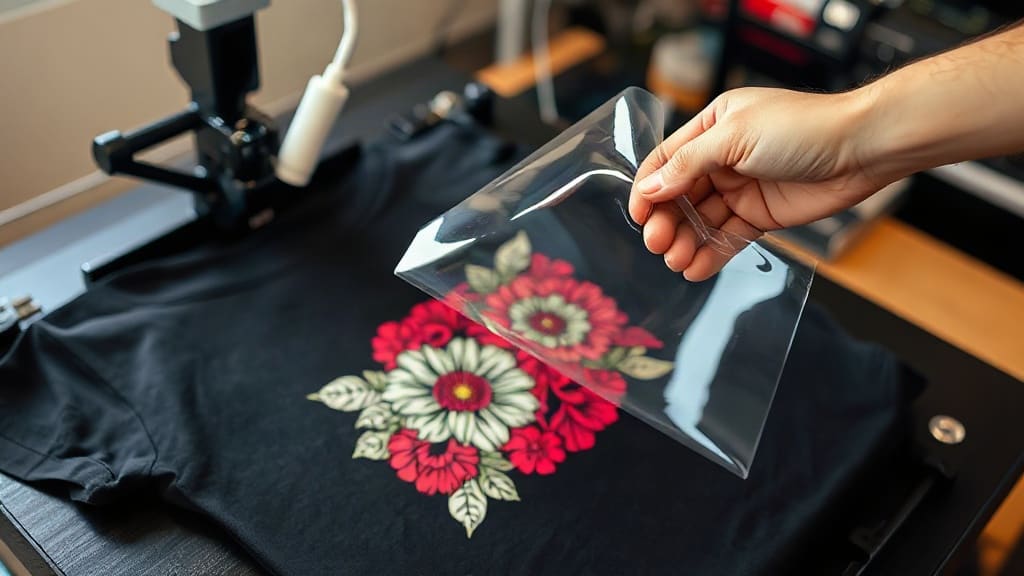
If you're in the custom apparel business, you've probably heard about DTF transfers. This innovative printing method has taken the industry by storm, offering vibrant, durable prints on a wide range of fabrics. Whether you're a seasoned printer or just starting a side hustle, understanding DTF technology can open up new possibilities for your projects. In this comprehensive guide, we'll dive deep into what makes these transfers special, how to use them effectively, and how to get the best results every time.
What Are DTF Transfers?
DTF stands for Direct to Film. Unlike traditional methods like screen printing or heat transfer vinyl, DTF printing involves printing your design onto a special PET film using a printer equipped with DTF inks. The printed film is then coated with adhesive powder, cured, and finally transferred onto fabric using a heat press. The result is a soft, stretchable, and highly detailed print that can be applied to cotton, polyester, blends, and even leather.
Why Choose DTF Transfers?
There are several compelling reasons why DTF transfers have become a favorite among small businesses and large manufacturers alike. Here are some key benefits:
- Versatility: You can print on almost any fabric, including dark and light colors, without needing a white underbase separately.
- Durability: The prints are resistant to cracking, fading, and washing, making them ideal for everyday wear.
- Cost-Effective: No need for expensive screens or minimum order quantities. Perfect for short runs and custom orders.
- Detail and Color: DTF printing captures fine details and vibrant colors, even on dark materials.
- Ease of Use: With the right equipment, applying a transfer takes just a few seconds with a heat press.
How Do DTF Transfers Work?
The process might sound simple, but it involves several precise steps to ensure quality. Let's break it down:
Printing on Film
First, your design is printed in reverse onto a PET film using specialized DTF printers. These printers use CMYK plus white ink to achieve opacity. The film is then coated with a hot-melt adhesive powder, which will bind the print to the fabric.
Shaking and Curing
After applying the powder, the film is gently shaken to remove excess adhesive. Then, it's passed through a curing oven or heat source to melt the powder slightly, creating a smooth, tacky surface that sticks to the garment during pressing.
Heat Press Application
To apply the transfer, you place the film onto your garment with the printed side down. Using a heat press at around 320°F (160°C) for 10-15 seconds with firm pressure, the design is transferred. After cooling, you peel the film away, revealing your final print.
DTF vs. Other Methods
Many people wonder how DTF transfers compare to other popular methods like screen printing and DTG (Direct to Garment). Here's a quick comparison:
DTF vs. Screen Printing
Screen printing is excellent for large bulk orders with limited colors, but it requires setup costs and minimal quantities. DTF offers more flexibility for small batches and complex designs, with no screen setup. However, for very large orders, screen printing may be more cost-effective per unit.
DTF vs. DTG
DTG prints directly onto the shirt using inkjet technology. It's great for one-off designs with no minimums, but it can be slower and requires pre-treatment for some fabrics. DTF transfers can be stored and applied as needed, making them more convenient for on-demand printing and for items that are tricky to DTG print, like polyester.
Tips for Ordering DTF Transfers
If you're planning to order DTF transfers from a professional service like DTF Style, consider the following tips to ensure you get the best outcome:
Prepare Your Files Correctly
Use high-resolution images (at least 300 DPI) and ensure your design has a transparent background. If you're not confident in your design skills, many companies offer free file setup or design assistance.
Choose the Right Size
Think about the garment type and size. A design that fits an adult large might not work on a child's small. Always measure the area where you plan to place the print.
Consider Fabric Type
While DTF works on most fabrics, the results can vary. For stretchy materials like spandex, you may need to use a specific adhesive that can stretch without breaking. Communicate your fabric type to the supplier.
Order Samples
Before committing to a bulk order, order a sample to test the quality, color accuracy, and wash durability. This can save you from costly mistakes.
Applying DTF Transfers at Home
Once you have your transfer, applying it is quite straightforward. But to get professional-looking results, follow these steps:
Prepare Your Garment
Pre-press the garment for a few seconds to remove moisture and wrinkles. This helps the transfer adhere better.
Position the Transfer
Place the film on the fabric where you want the design. Use a heat-resistant tape to hold it in place if necessary.
Press and Peel
Apply medium to firm pressure with your heat press. The time and temperature may vary, but a general guideline is 320°F for 15 seconds. After pressing, wait a few seconds for the film to cool slightly, then peel it off carefully. For best results, use a Teflon sheet or parchment paper over the film to protect your press.
Common Mistakes and How to Avoid Them
Even experienced printers can run into issues. Here are some common pitfalls:
- Incorrect Temperature: Too hot or too cold can cause the transfer to peel or not stick. Always test on a scrap piece first.
- Not Enough Pressure: If the adhesive doesn't penetrate the fabric, the print will crack or peel. Ensure your press is calibrated.
- Peeling Too Early: Always let the transfer cool before peeling to avoid lifting the adhesive.
- Poor Quality Film: Using cheap film can lead to dull colors and weak adhesion. Invest in quality materials.
Caring for DTF-Printed Garments
To prolong the life of your DTF transfers, proper care is essential. Here are some washing and drying tips:
- Wash garments inside out in cold water to protect the print.
- Avoid using bleach or harsh detergents.
- Air dry or tumble dry on low heat. High heat can cause the adhesive to break down over time.
- Do not iron directly on the print. If needed, iron on the reverse side or use a pressing cloth.
Frequently Asked Questions
What is the difference between DTF and sublimation?
Sublimation requires polyester or polymer-coated materials because the ink turns into gas and bonds with the fabric. DTF works on any fabric, especially cotton, as it uses an adhesive that sticks to the surface. Sublimation often yields a softer feel, but DTF offers more versatility.
Can I use DTF transfers on dark shirts?
Yes, one of the biggest advantages of DTF is its ability to print on dark fabrics. The white ink layer creates an opaque base, so no extra underbase is needed.
How many washes can DTF prints withstand?
With proper care, a high-quality DTF print can last for 50 or more washes without significant fading or cracking. The durability depends on the ink, adhesive, and application process.
Do I need a heat press for applying DTF transfers?
While you can use a home iron, a heat press provides consistent pressure and temperature, which is crucial for a professional finish. If you're just starting, a basic heat press is a worthwhile investment.
Can I reuse unused DTF transfers?
Yes, unprinted film can be stored, but once printed and coated, the transfer must be used. If you have extra printed transfers, store them in a cool, dry place and apply them when needed, but avoid leaving them exposed to humidity for too long.
Conclusion
DTF transfers have truly changed the game for custom printing. They offer a perfect balance of quality, versatility, and ease of use. Whether you're creating personalized gifts, launching your own clothing line, or expanding your printing services, DTF is a technology worth embracing. By following the tips in this guide, you'll be well on your way to producing stunning, durable prints that your customers will love. So, why wait? Start exploring the potential of DTF transfers today and see how they can elevate your projects to the next level.